


By: Bryan Ricardo Marini Quintana
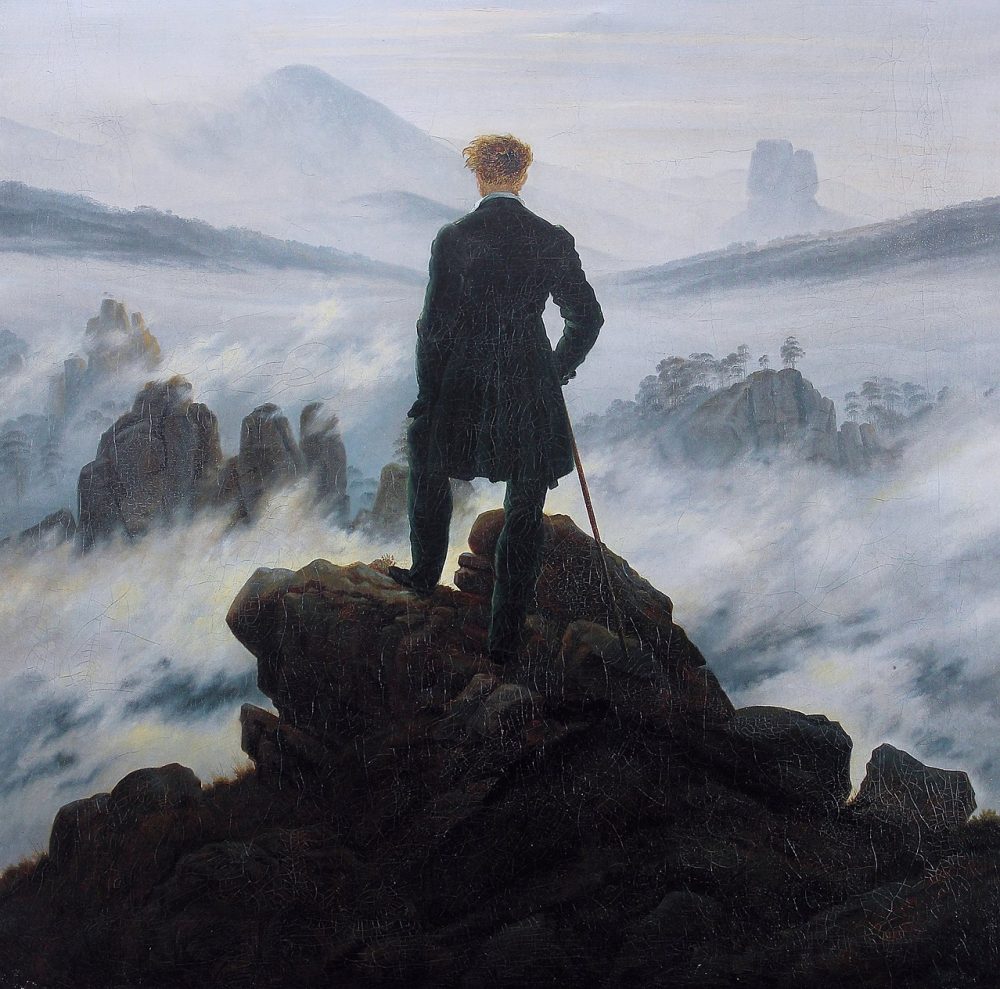
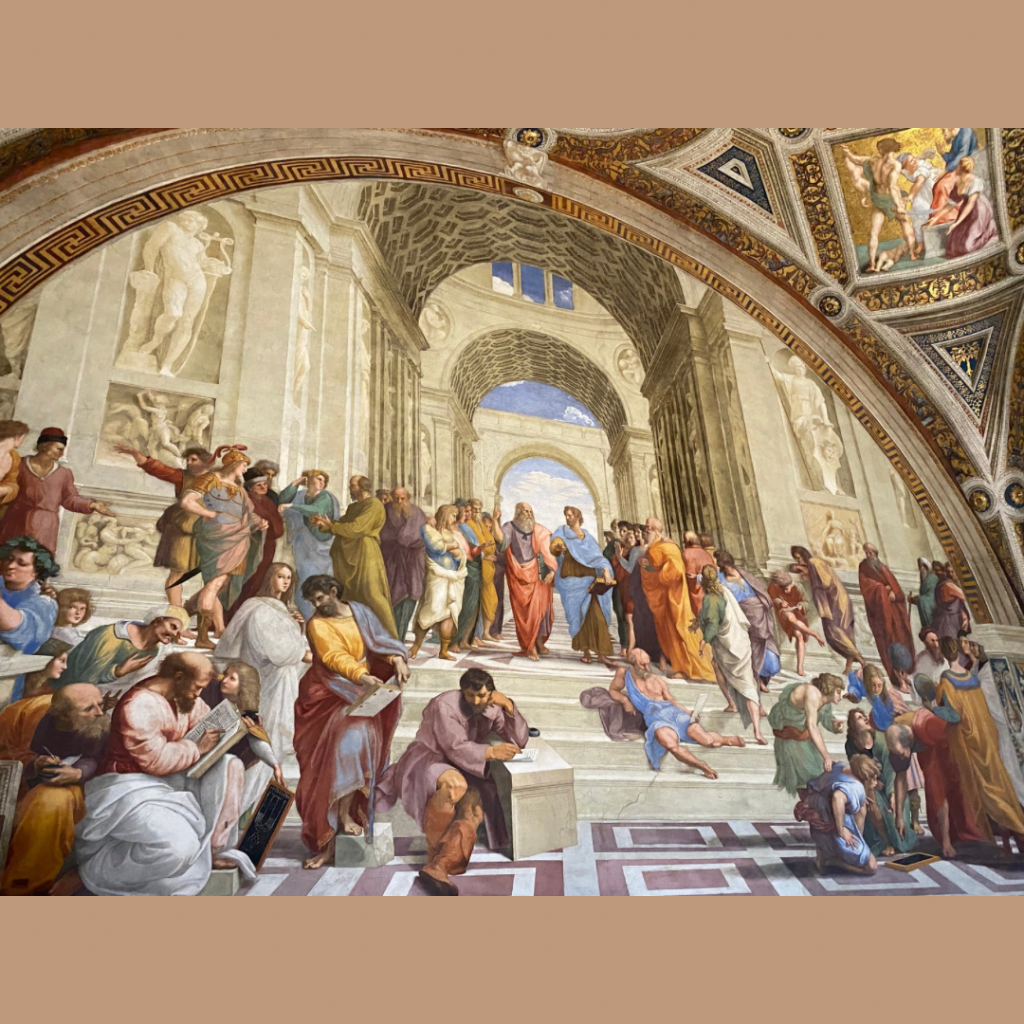
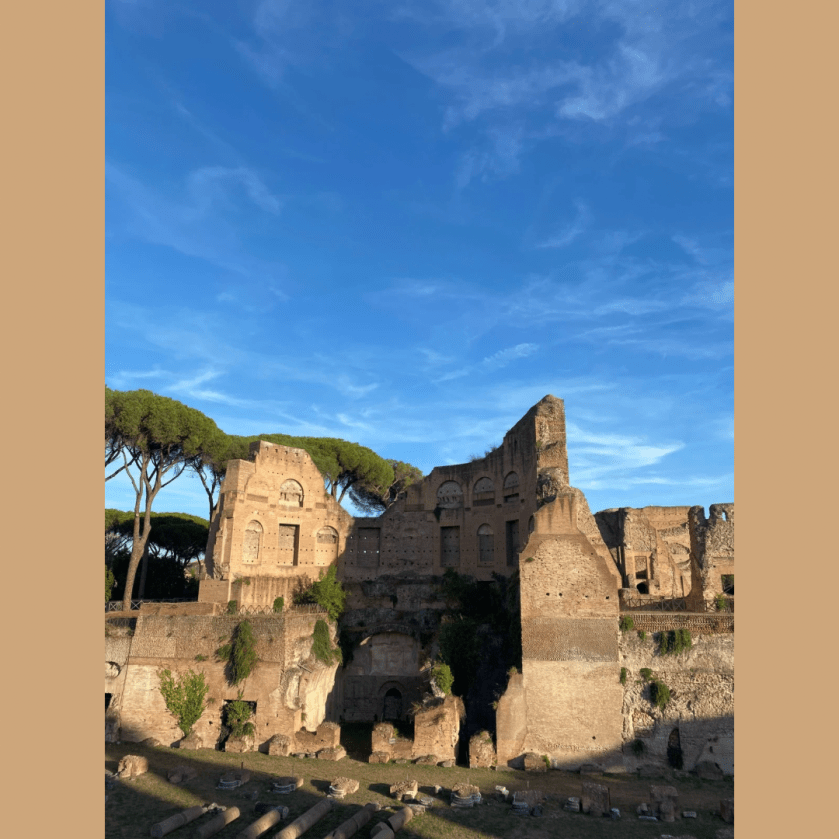
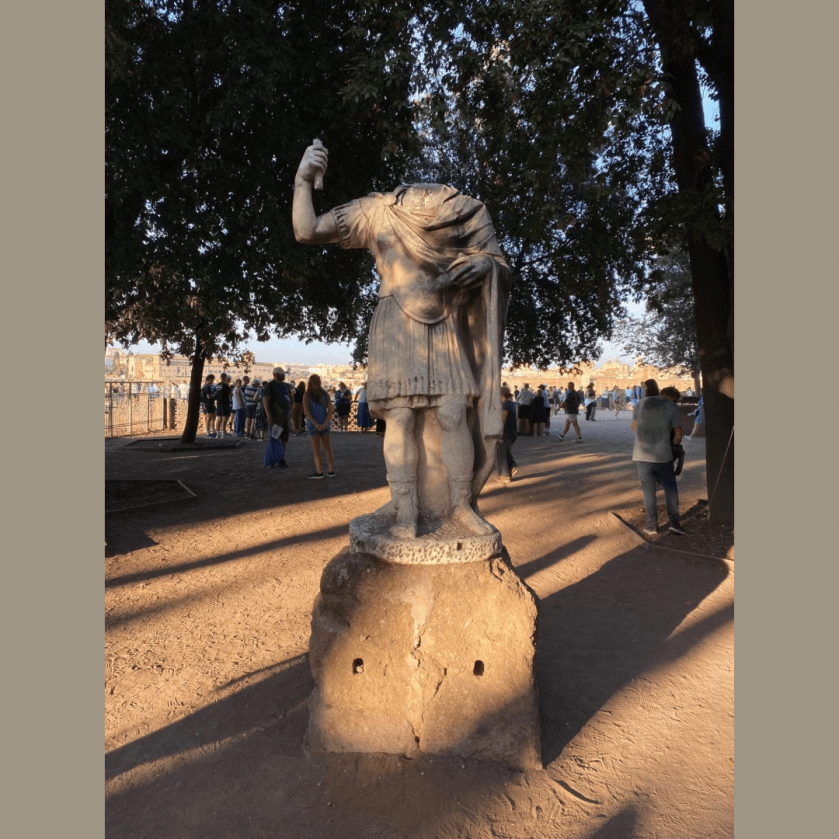
Where does a Sailor land ashore,
When he has lost sight of his course?
Nowhere else but upon those Western Shores!
He hears Virgil sing of arms and a man, Aeneas from Troia,
Who sailed to Italia, uniting Latins and Trojans,
As Romulus’ Fratricide founded a City for those Romans!
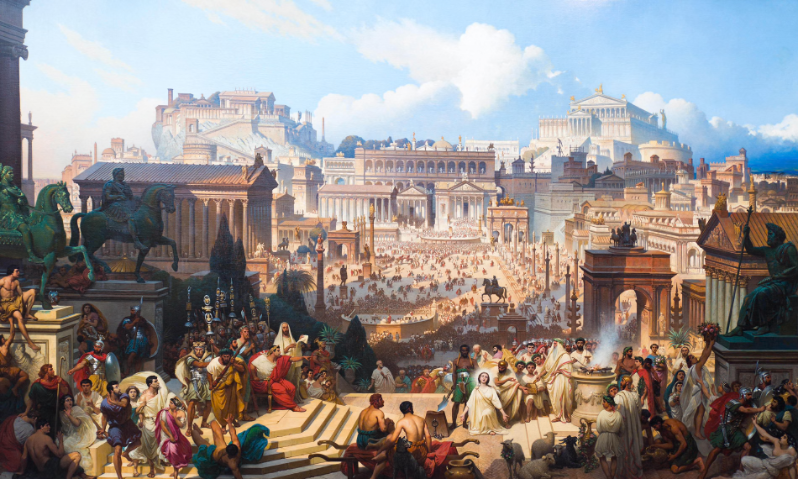
He evokes how Brutus ousted the Last of the Etruscan Kings,
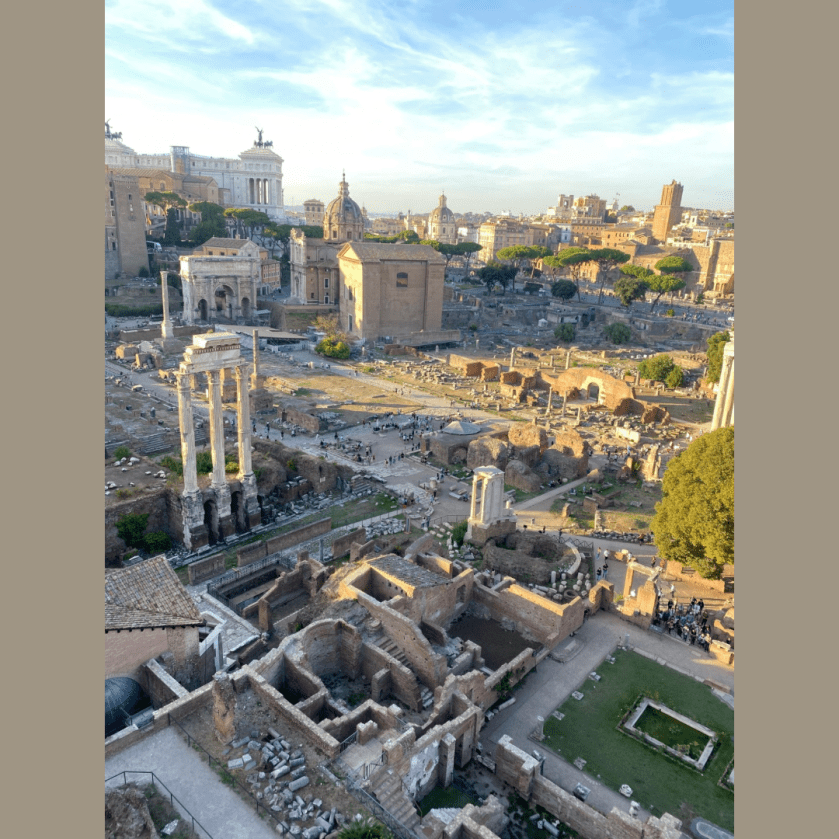
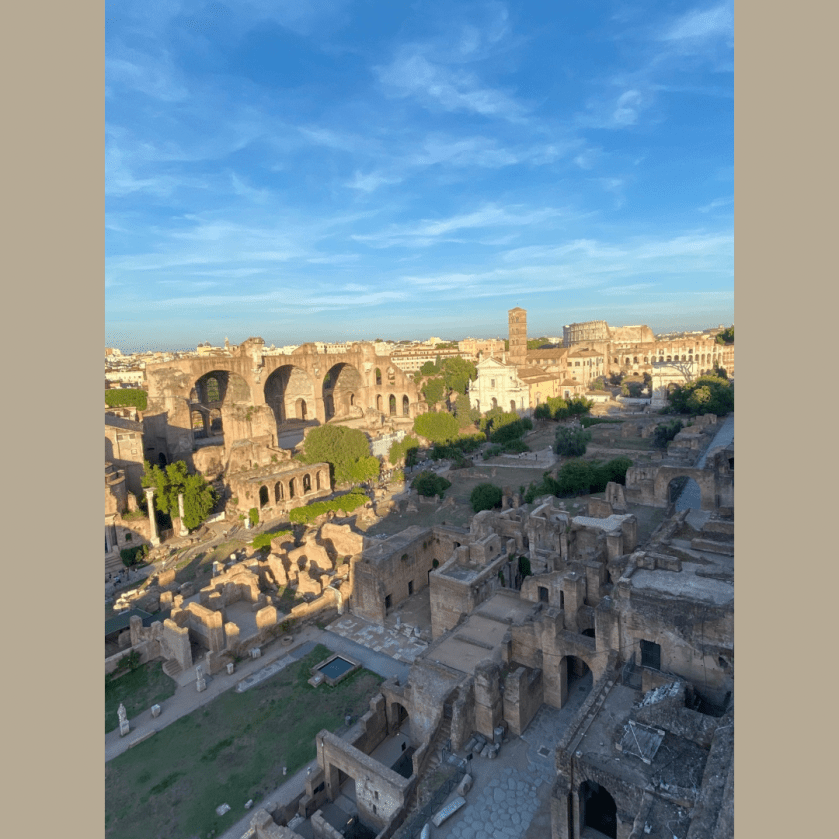
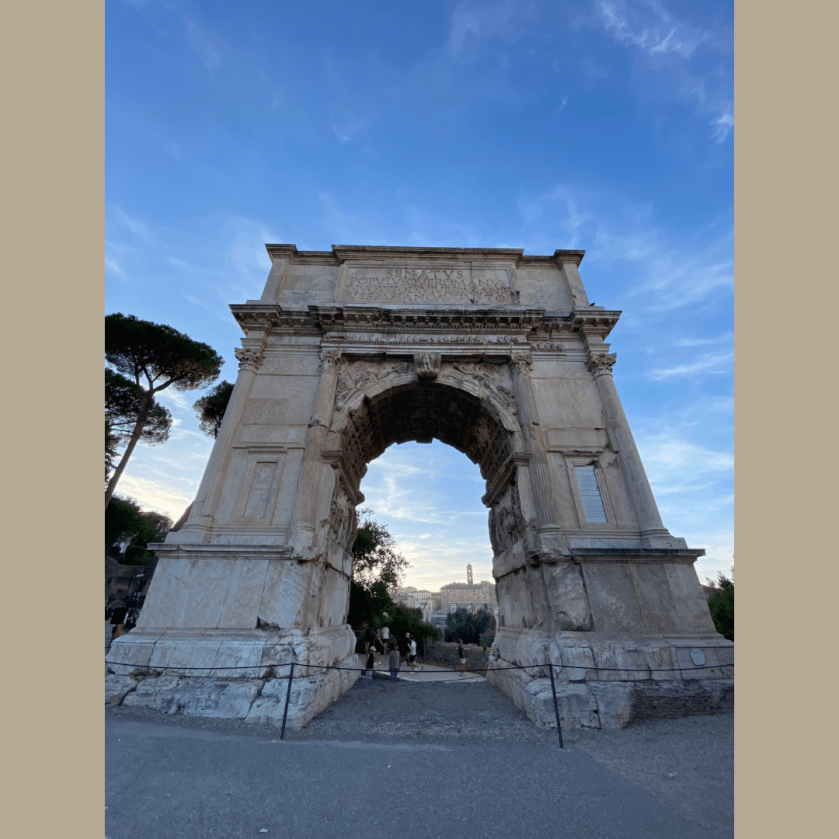
To erect a Republic in the Forum for the Senate and People of Rome,
Where Patricians and Plebeians pledged allegiance as Equal Citizens!
Atop the Aventine, the Triumvirates devise dire designs,
While he savors Cicero’s endlessly eloquent speeches,
Lecturing about the sanctity of the state and its noble laws!
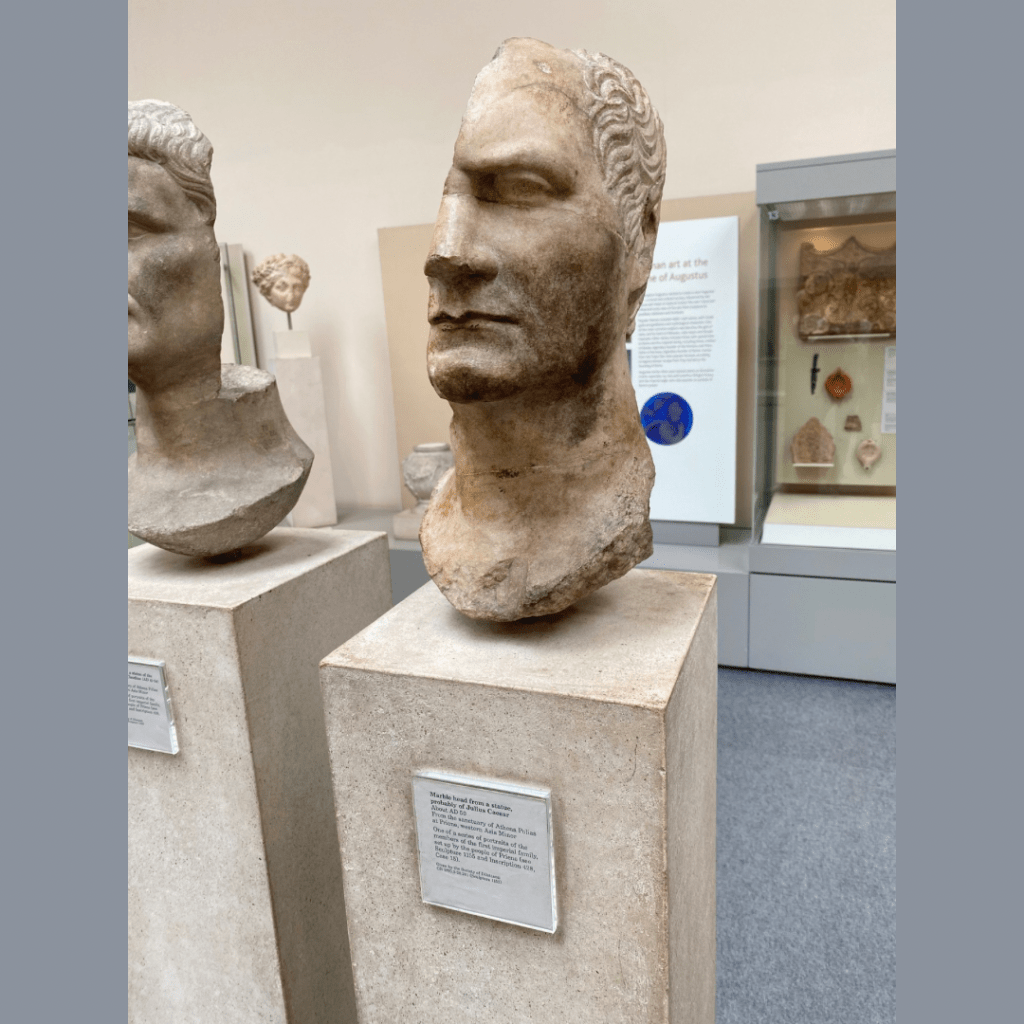
Upon the Palatine, he sees Caesar’s Crossing that Omens Civil War,
In Actium, Octavian decides the fate of Antony and Cleopatra,
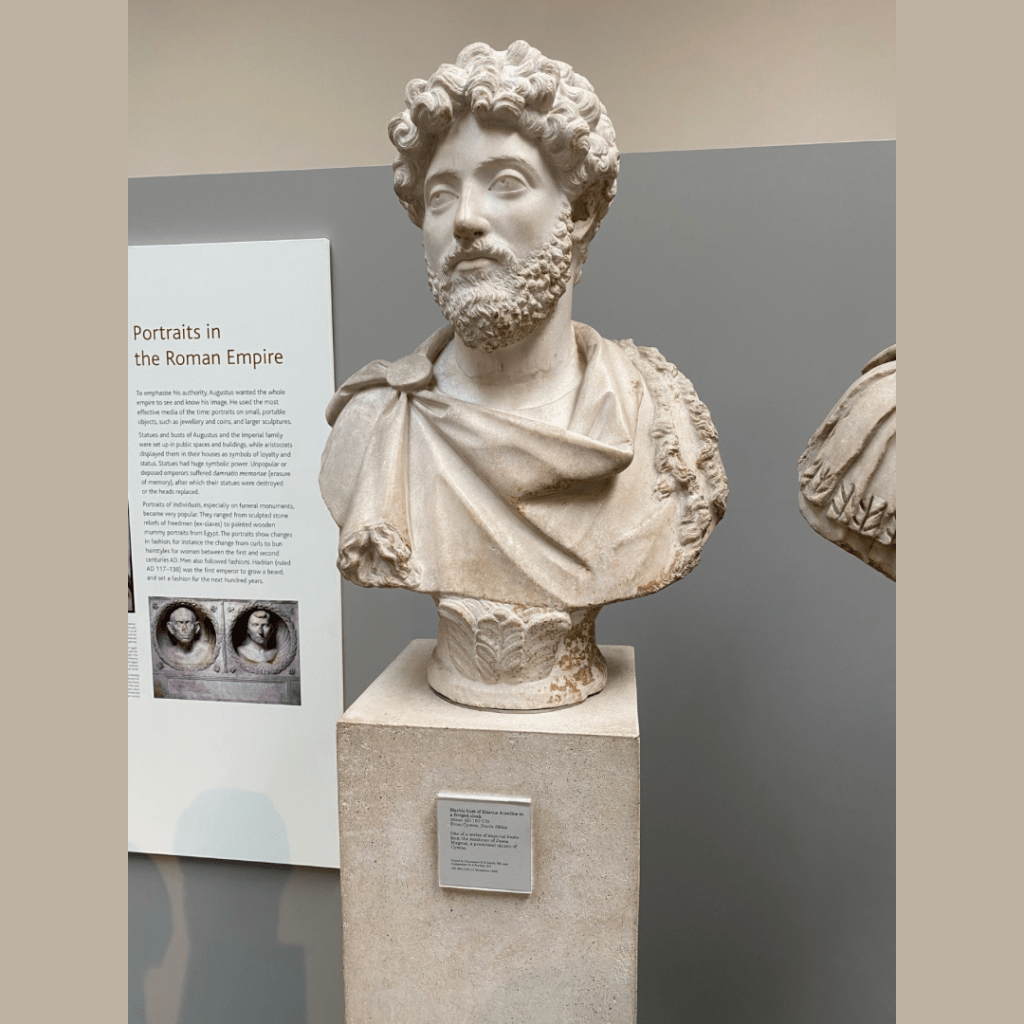
Until the Age of Augustus ushers in the Days of the Caesars and the Pax Romana!
By: Bryan Ricardo Marini Quintana
By: Bryan Ricardo Marini Quintana
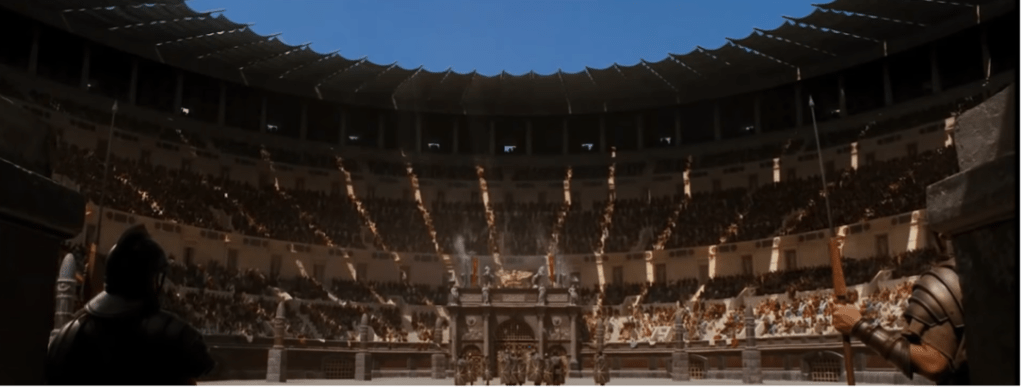
In the aftermath of Marcus Aurelius’ assassination, Maximus is seized as a traitor and sentenced to die for refusing to recognize the new Emperor. He escapes from the Praetorian Guard only to find the torched corpses of his family, who’ve been hanged on Commodus’ orders. Then, he succumbs to his wounds and is taken as a slave to the deserts of North Africa, where a master named Proximo buys him to make profits in the gladiatorial games. Initially, the Gladiator declines to become his fighter and win him riches while he suffers to entertain the masses. In the arena, the crowd exalts Maximus, but he neglects their adoration by throwing his sword at them after winning and exclaims in mockery: “Are you not entertained? Are you not entertained? Is this not why you are here?” (Gladiator 2000) Proximo is frustrated with his Gladiator, who constantly lashes out at the mob. Meanwhile, he yearns to reach the heights of Rome, where he can gain fame and glory in the Colosseum. In their conversation, Proximo tells Maximus that he once was a gladiator who earned his freedom by winning the masses, with Marcus Aurelius freeing him from the arena. Then, he asks his Gladiator what he wants, offering him riches and pleasure. But Maximus answers that he also wishes to stand before the Emperor as he once did. At last, Proximo imparts wise words to Maximus when they depart to Rome for the Colosseum by counseling: “Listen to me. Learn from me. I was not the best because I killed quickly. I was the best because the crowd loved me. Win the crowd and you will win your freedom.” (Gladiator 2000)
In the packed streets of Rome, Senator Gracchus observes the crowd rushing in to fill the massive amphitheater, knowing the Emperor’s malicious motives as he scorns to a fellow statesman: “I think he knows what Rome is. Rome is the mob. Conjure magic for them and they’ll be distracted. Take away their freedom and still they’ll roar. The beating heart of Rome is not the marble of the senate, it’s the sand of the Colosseum. He’ll bring them death and they will love him for it.” (Gladiator 2000) This ill omen sets the stage for Commodus’ designs to possess the mob’s adoration through flamboyant theatrics, crumbs of bread, and drops of wine. At the heart of the Roman Empire stands the Colosseum, casting a vast shadow over the masses who clamor for entertainment to distract themselves from their daily lives. The Emperor sits on his lavish throne alongside Lucilla and Lucius, observing the gladiators slaughter each other for his amusement. From the pits below emerges Maximus in the arena, ready to give the crowd a performance to remember.
When the battle begins, Proximo realizes he’s been fooled, with the Gladiator and his warriors recreating the Battle of Zama. However, they’re playing the losing role of the Carthaginians against the Romans. Their fortunes are reversed when Maximus assumes command and reorganizes them akin to his Legionaries, forming a defensive ring with their shields. Although their opponents assail them atop their chariots, the Gladiator manages to knock down a few riders. This turns the odds as Maximus mounts a horse and scatters his foes into a humiliating retreat, with the mob cheering at the Carthaginians instead of the Romans.
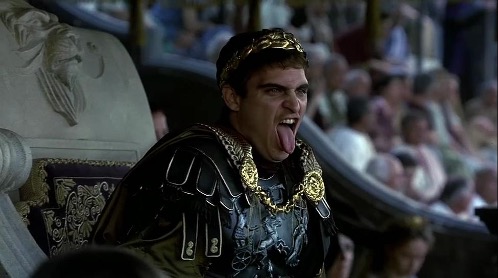
All the while, the Emperor relishes this carnage in a hedonistic fashion, savoring the esteemed bravado of this Gladiator and demanding to meet him. He asks for his name, but Maximus boldly says: “My name is Gladiator.”(Gladiator 2000) Straightaway, he turns his back on him, and Commodus furiously demands: “How dare you show your back to me? Slave! You will remove your helmet and tell me your name.” (Gladiator 2000) Then, Maximus reveals his true identity by defiantly responding: “My name is Maximus Decimus Meridius, Commander of the Armies of the North, General of the Felix Legions and loyal servant to the True Emperor, Marcus Aurelius. Father to a murdered son, husband to a murdered wife. And I will have my vengeance, in this life or the next.” (Gladiator 2000) For an instant, the Emperor is tempted to slay him in the Colosseum, ordering his Praetorian Guard to take an offensive stance, but the masses loudly chant: “Live, live, live!” (Gladiator 2000) Irrevocably, Commodus sees that he has lost dominion over the crowd and goes against his very wishes to execute him, forcefully giving in to their demands by granting Maximus’ life, who claims their acclamation as he descends into the pits where gladiators ecstatically repeat: “Maximus, Maximus, Maximus!” (Gladiator 2000)

Once the match ends, Lucilla looks for this Gladiator in the pits of the arena, imploring him to save Lucius’ life and secure Rome’s fate. Initially, Maximus ignores her appeal and yields instead to his cruel fortune as a slave who’s only set loose for sport. Yet she reveals to him how he has humiliated the Emperor while simultaneously winning the mob’s favor by asserting: “Today I saw a slave become more powerful than the Emperor of Rome.” (Gladiator 2000) This prompts the Gladiator to sympathize with Lucilla’s cause, using his power to sway the masses and devise a plot to rout Commodus. Concurrently, the Emperor orchestrates a second round of gladiatorial games where Maximus will face a legendary fighter, the Tigris of Gaul. The arena has been riddled with trap doors and wild animals, pitting all odds against him. All of this serves as Commodus’ grand spectacle, where he can have the idol of the Colosseum killed in full view of the crowd. The Gladiator beats the Emperor’s champion as the mob shouts for his execution. Then, Maximus beholds Commodus with an audacious gaze while he turns his thumb down, ordering him to execute the fallen opponent. Once again, the Emperor’s authority is mocked when the Gladiator casts down his axe to show mercy, with the masses praising him as a merciful warrior.
Late in the night, Lucilla and Senator Gracchus free Maximus while his fellow gladiators delay the Praetorian Guard, but they’re all captured by Commodus, who arranges a final gladiatorial game. He holds his sister and nephew hostage inside a marble palace, mourning her betrayal. Furthermore, the Emperor envies the Gladiator when he deduces that Lucilla has freely given him the warmth he’s always longed for. Suddenly, she agonizes over Lucius’ life, with Commodus using her son as bait, threatening to injure him if Lucilla doesn’t submit herself to his lustful fixation when he commands: “Lucius will stay with me now. And if his mother so much as looks at me in a manner that displeases me, he will die. If she decides to be noble and takes her own life, he will die.” (Gladiator 2000) When the Emperor is unable to have his father’s love, his sister’s affection, or the crowd’s adoration, he coerces them into worshipping him, attempting to emulate their admiration for Maximus as he terrifies Lucilla by demanding: “And as for you, you will love me as I loved you. You will provide me with an heir of pure blood, so that Commodus and his progeny will rule for a thousand years. Am I not merciful? Am I not merciful!”(Gladiator 2000)
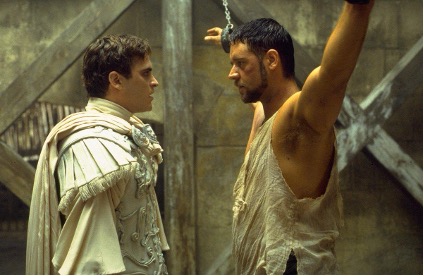
Below the arena, Commodus adorns himself akin to a God-Emperor with extravagant armor tainted in pure white. He leaves the Gladiator chained in his poor garb, facing him to boast: “The general who became a slave. The slave who became a gladiator. The gladiator who defied an emperor. Striking story! But now, the people want to know how the story ends. Only a famous death will do. And what could be more glorious than to challenge the Emperor himself in the great arena?” (Gladiator 2000) Although Maximus lies at his mercy, he doesn’t fear Commodus, as he evokes the memory of Marcus Aurelius by recalling: “I knew a man once who said, “Death smiles at us all. All a man can do is smile back.” (Gladiator 2000) This posture shows that the Gladiator is ready to die and avenge his family, longing to join them in the afterlife. Before departing, he remembers his promise to Marcus Aurelius when he vowed to restore power to the Senate and the People of Rome. After hearing his speech, the Emperor indirectly admits to committing patricide by answering: “I wonder, did your friend smile at his own death?” (Gladiator 2000) Although this confession is directed as an insult, Maximus quickly quips back: “You must know. He was your father.” (Gladiator 2000) This way, the Gladiator lets him implicitly know that he’s aware of his foul deed done out of jealousy for not being his father’s favorite. Thereafter, Commodus stabs Maximus to leave him wounded for the coming battle and ensure his victory in front of the mob while professing: “You loved my father, I know. But so did I. That makes us brothers, doesn’t it? Smile for me now, brother.” (Gladiator 2000) Conclusively, the arena floor opens as they’re raised to the top while red petals grandiosely fall from the heavens, delivering one last spectacle to the roaring masses.
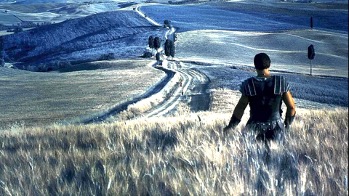
In the beating heart of Rome, a Slave challenges the Emperor to a gladiatorial game, where the crowd will witness the death of their hero as they praise their new champion. When they enter the Colosseum, Commodus salutes the mob while the Praetorian Guard surrounds Maximus in the arena as he bleeds out. While the Emperor takes an offensive stance, the Gladiator assumes a defensive posture, countering his every move. Commodus’ repeated attacks drain him, as Maximus gains the upper hand when he knocks him down. In retaliation, the Emperor franticly swings his blade until he lands a blow on his legs. The Gladiator catches him by clasping his arm and knocking off his sword. But he succumbs to his injuries and sees a vision of his family calling to him. At that moment, Commodus hastily orders his loyal sentries to give him a blade, yet they disregard him, shielding their swords. Regardless, he pulls out a hidden knife to strike him while he’s vulnerable. Maximus deals heavy blows and turns the dagger against him, stabbing the Emperor in the neck with his own hand. Thereafter, Lucilla comforts him as the Gladiator reassures her that Lucius is safe. She gives Maximus a final blessing before he departs this world, allowing him to be reunited with his wife and son. When he passes away, his fellow fighters honor him by lifting the Gladiator’s body and carrying him out of the Colosseum. Simultaneously, Commodus’ corpse is left to rot alongside his schemes, dying alone without a father, a maiden, or the masses to mourn him. In the end, Maximus fulfills his duty to Marcus Aurelius by protecting Rome, keeping his promise to save Lucilla’s son, and avenging his family by slaying the Emperor to find rest in the fields of Elysium.
Works Cited:
Gladiator.
Directed by Ridley Scott, Dreamworks Distribution, 2000.
By: Bryan Ricardo Marini Quintana

Early on, Lucilla travels alongside Commodus to visit their father, feeding her brother’s egomaniacal aspirations of becoming Emperor as she is incidentally imprisoned by his obsessive devotion to her. At the feast, Commodus intimidates Maximus by implying that he’ll call him to serve Rome again, mentioning how his sister still remembers him fondly when he shares in a jealous tone: “Lucilla’s here, did you know? She’s not forgotten you, and now you’re the great man.” (Gladiator 2000) Meanwhile, Lucilla sneakily glimpses at the festivities, intently watching the General when Marcus Aurelius catches her and gladly comments: “If only you had been born a man, what a Caesar you would’ve made.” (Gladiator 2000) They proceed to kiss on the cheek, with the Emperor testing her similarly as he does with Maximus by adding: “You would’ve been strong. I wonder, would you have been just?” (Gladiator 2000) Lucilla rightfully answers: “I would’ve been what you taught me to be.” (Gladiator 2000) Altogether, the conversation shows how they speak earnestly and embrace each other lovingly with an esteem of mutual respect. Finally, Marcus Aurelius smiles at her, proud of the astute woman he’s raised, while rejoicing in the company of his lovely daughter.
Later, Lucilla reunites with Maximus, goading him about her luxurious life in the marble palaces of Rome ever since he was mustered to fight far away in the Roman Frontier. Despite their long absence, an old flame still sparks between them. They demonstrate a sense of duty and paternal love to protect their children, which binds these estranged souls together again. Soon, news reaches Lucilla about her father’s death, and she straightaway rushes to read her brother’s face, reasoning from his cold demeanor that he is responsible for this foul deed. She slaps him in a fit of grief and anger but realizes that Maximus has been sentenced to suffer the same fate. Subsequently, Lucilla succumbs to Commodus and recognizes him as Emperor while she plots to restrain her brother’s impulsiveness with her allure.
Once Commodus becomes Emperor, he is received as a conquering hero whose arrival in Rome is celebrated with a triumphant parade. He proceeds to throw a tantrum in the Senate when the politicians scold him for his lack of sympathy and familiarity in resolving the People of Rome’s plights. Repeatedly, Lucilla supports her brother’s maddening schemes, beginning with a return to gladiatorial games in the Colosseum. This violent sport that their father outlawed now promises to gain Commodus the masses’ jubilation. However, the Emperor envisions delusions of grandeur by dissolving the Senate and holding absolute power over the People of Rome, as Lucilla grasps that she does not influence her brother. Evermore, Commodus secludes himself from the world and clings to his sister for the affection he desperately needs. She is confined alongside her son under duress, with the Emperor threatening to harm Lucius if Lucilla doesn’t consent to his advances. But Commodus disregards their appeals, struggling to preserve his last bond with mankind before he becomes isolated from society. Consequently, the once glamorous halls of Rome transform into four walls that close in around her, forcing Lucilla into an abusive and incestuous relationship with Commodus.
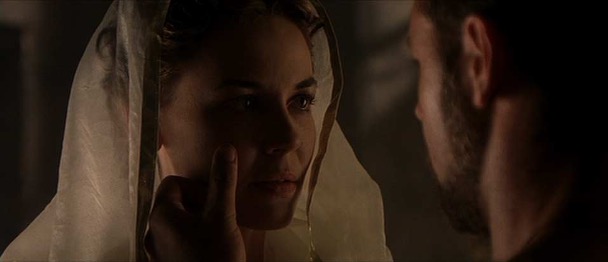
Afterward, Lucilla desperately seeks out Maximus to secure the future of the Senate and the People of Rome. She discovers that he survived and now fights as a slave in the gladiatorial games. The Gladiator initially turns her away, holding Lucilla accountable for his family’s fate and backing her brother’s rise to power. Although Lucilla is held captive by Commodus’ lustful fixation, her pleas don’t come from a selfish need. Instead, her duty and love as a mother drive Lucilla to find him in a last effort to save Lucius’ life. At first, Maximus hesitates to answer her call for help and feels he has nothing else to lose. His only pursuit is a swift death in the Colosseum to be reunited with his wife and son in the fields of Elysium. Nevertheless, Lucilla encourages him with a profound appeal to assume responsibility, prompting him to uphold the stoic ideals of their father by restoring the Roman Republic. This reminds the Gladiator of his oath to Marcus Aurelius, envisioning an opportunity to avenge his family and rescue her son.
Then, Maximus comforts Lucilla as she not only entrusts the safety of Rome and Lucius to him but also confesses her emotions wholeheartedly. They find solace in each other’s company, reminiscing with affectionate glances about their hidden feelings. Further on, warriors and senators alike plot with them to overthrow the Emperor by freeing the Gladiator from the pits of the Colosseum. Once he’s smuggled out of the city, Maximus will command the loyalty of his Roman Legionaries to march on Rome and restore the Republic. Yet Commodus foils their plan and confines Maximus back into the arena for a final match against himself in a rigged spectacle for the crowd. Eventually, Lucilla is held captive by his side, forced to watch her beloved struggle till death claims him in the Colosseum, where the mob gathers to witness a Slave defy an Emperor in the contest of the century that will decide Rome’s fortune.
By: Bryan Ricardo Marini Quintana

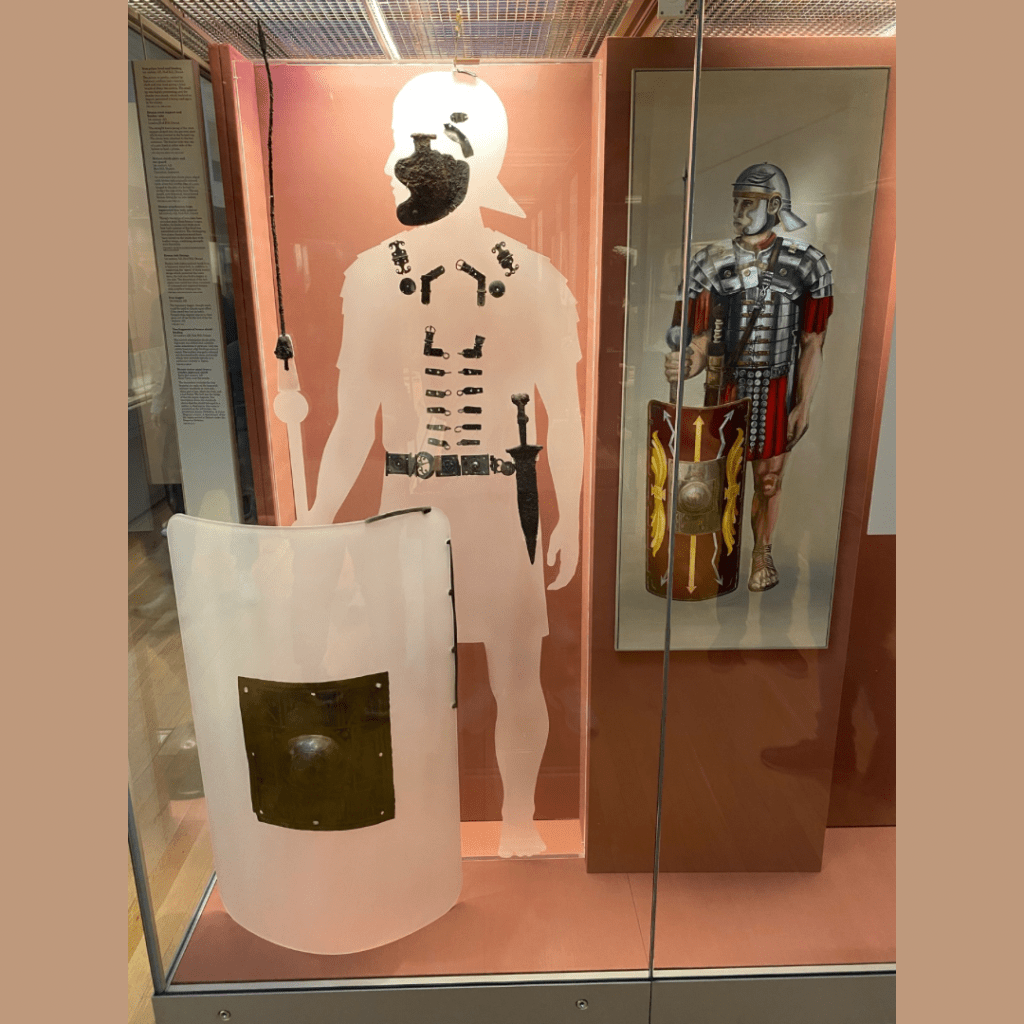
In the opening of Gladiator (2000), Maximus Decimus Meridius, Commander of the Armies of the North and General of the Felix Legions, fearlessly leads his Roman Legionaries against the Germanic Tribes. Upon the eve of battle, he inspects their defenses, passing by rows of soldiers who address him with the utmost respect. Their faces have gone pale while they anxiously await for the barbarians lurking in the forest. However, the men’s spirits are stirred when they behold their General riding alongside them. Maximus’ presence on the battlefield eases their tensions before rushing into the fray. Straightaway, he charges at the enemy’s rear and catches them off guard in an ambush, but his horse knocks him down. After trudging through the mud in a scramble to survive, the General emerges victorious alongside his Roman Legionaries, who praise him as one of their own. Although Maximus is overcome with a euphoric triumph, his bliss is brief when he reflects on the struggle’s bloody aftermath. Now, the General longs for the warmth of his wife and son, praying for a safe return home. Above all, he wishes to lead a humble life, fulfilling his duties as a husband and a father while dreading to serve again in an endless war that will claim his life.
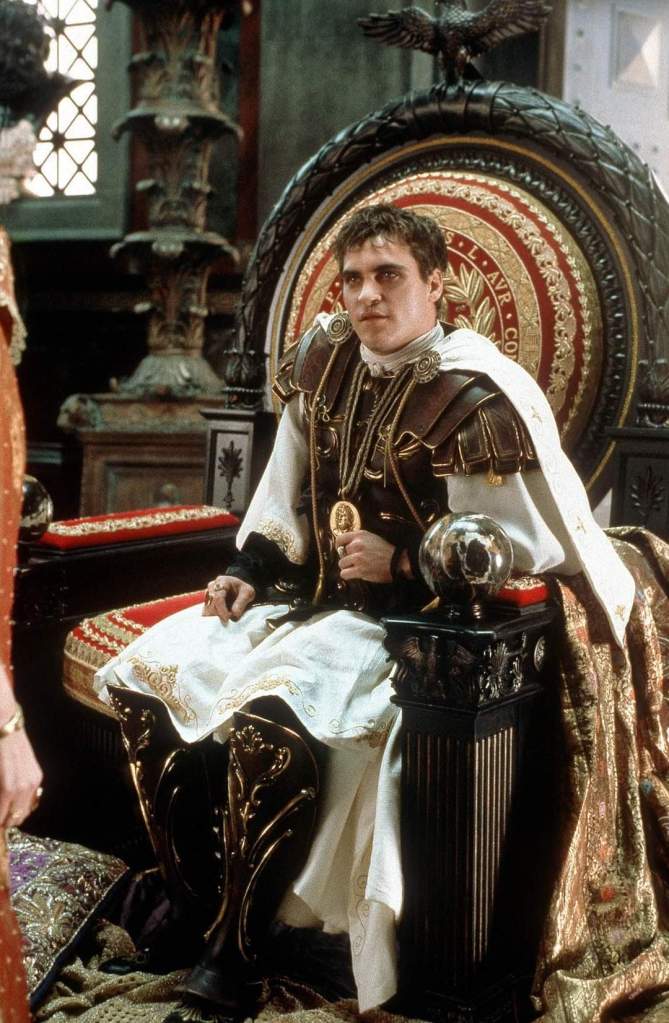
From afar looms Lucius Aelius Aurelius Commodus, the son of Emperor Marcus Aurelius, who covets his father’s power and envies Maximus’ admiration. He arrives on a carriage to the encampment, presuming he’ll be received by clamoring soldiers. But his only exploit has been to cower behind the marble monuments of Rome. When he passes by with his Praetorian Guard, the Roman Legionaries opt to revere their General, who fought alongside them. Immediately, he kisses the Emperor, seeking instead attention from his disillusioned father. However, Marcus Aurelius turns him away in favor of Maximus, finding honor and courage in the son he never had. Consequently, Commodus’ prideful aspirations to become Emperor are threatened when Marcus Aurelius neglects his pleas for paternal validation. Therefore, he entrusts Rome’s fate to a General worthy of fatherly love, as Maximus challenges Commodus’ claim to win over his father’s affection.
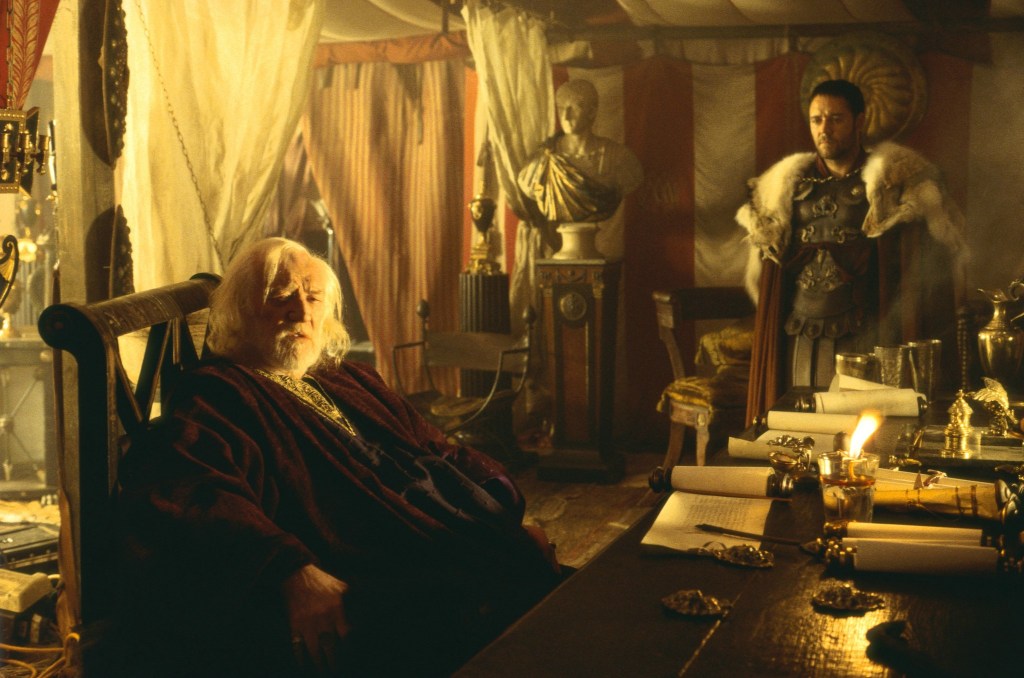
Atop a hill stands Emperor Marcus Aurelius, who melancholically meditates on whether his military campaigns to defend Rome have any moral justification. Once hostilities end, the Emperor forgoes his imperial prestige to approach his General as a caring and proud father. Initially, Marcus Aurelius respectfully greets him by asking: “How can I reward Rome’s greatest general?” (Gladiator 2000) Then, Maximus honestly responds: “Let me go home.” (Gladiator2000) This early exchange promptly presents the fondness both have for one another, displaying how they speak candidly as a father to a son, without any pretense of an Emperor addressing his General.
However, they’re interrupted by Commodus’ arrival, who arrogantly boasts: “Have I missed the battle?” (Gladiator 2000) Instantly, Marcus Aurelius cripples his egotistical bravado by ironically replying: “You have missed the war.” (Gladiator 2000) To add further injury and teach his spoiled boy a lesson, the Emperor instead exalts his noble warrior: “Honor Maximus. He won the battle.” (Gladiator 2000) Commodus is humbled by his father, compelling him to recognize who won the war. Then, Marcus Aurelius detaches himself from his son, considering him an unworthy successor, and turns to Maximus as his worthy progeny, who acknowledges their sacrifices when he poignantly remarks: “So much for the Glory of Rome.” (Gladiator 2000) Thenceforth, Commodus’ loathing festers against him, realizing he possesses none of the stoic attributes of an earnest son that his father requires for an heir.
During the festivities, Marcus Aurelius exits his tent and requests Maximus’ company. Inside, the Emperor beholds a map of the Roman Empire, lamenting the violence he’s inflicted to defend the Senate and the People of Rome. He confides with him about the corruption of Rome’s socio-political structure and the necessity of reinstating the Roman Republic. However, the General refuses to believe that his men perished in vain, furiously expressing how they fought valiantly to protect Rome’s sanctity. Here, Marcus Aurelius tests Maximus by asking him what his heart desires most. Then, he wholeheartedly professes that he misses his family and wishes to return home. At that moment, the Emperor understands that his General doesn’t crave to wield great power but simply wants to retire in peace, living the rest of his days as a faithful husband and dutiful father. This answer reassures Marcus Aurelius of his choice, who assigns Maximus to restore the Senate and give a voice to the People by proclaiming him the Protector of Rome upon his death. Although he is honored by the Emperor’s vote of confidence, he wavers to assume this newfound responsibility that would grant him the authority to end the tyrannical rule of the Roman Empire and rebuild the democratic roots of the Republic. Regardless of the General’s doubts, Marcus Aurelius trusts him to fulfill his duty to Rome and assume his role as Emperor. At the end of their conversation, Marcus Aurelius voices his true feelings of paternal affection to Maximus when he expresses: “Now embrace me as my son.” (Gladiator 2000)
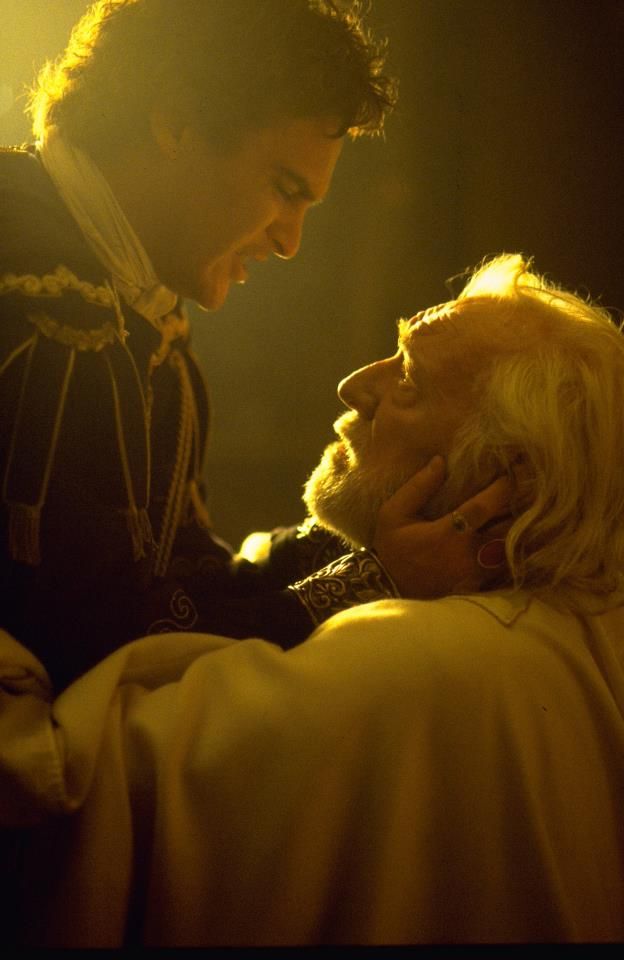
Thereafter, Commodus proudly barges into his father’s tent, searching for Marcus Aurelius’ approval to succeed him as Emperor. Instantly, Marcus Aurelius snatches away his son’s ambitions and affirms that he doesn’t possess the stoic attributes that would make him a just ruler. He mourns his flaws as an absent father who failed to raise him properly for this duty. Upon revealing that Maximus will become Emperor, he tries to console Commodus but is turned away by his son, who grieves: “You wrote to me once, listing the four chief virtues: wisdom, justice, fortitude, and temperance. As I read the list, I knew I had none of them.” (Gladiator 2000) Next, he proclaims his qualities, naming ambition and devotion to the family, especially for his father. Lastly, Commodus conveys his feelings of neglect from Marcus Aurelius when he confronts him: “But none of my virtues were on your list. Even then, it was as if you didn’t want me for your son.” (Gladiator 2000)
The Emperor recognizes that Commodus would be swayed by his impulsive behavior to seize power from the Senate and the People of Rome. After seeing his son suffer because he didn’t live up to his father’s expectations, Marcus Aurelius comforts him by confessing: “Commodus, your fault as a son is my failure as a father.” (Gladiator 2000) Consequently, Commodus’ sorrow heightens into anger against the Emperor, accepting that he isn’t his father’s favorite. In a melancholic moment, Commodus hugs Marcus Aurelius and tightens his grip until he can’t catch a gasp of air, angrily declaring: “I would butcher the whole world if you would only love me.” (Gladiator 2000) Ultimately, he commits patricide to become Emperor and readily summons his General to swear an oath of allegiance, but Maximus refuses only to face imminent execution, leaving Commodus with an undisputed claim to rule over Rome.



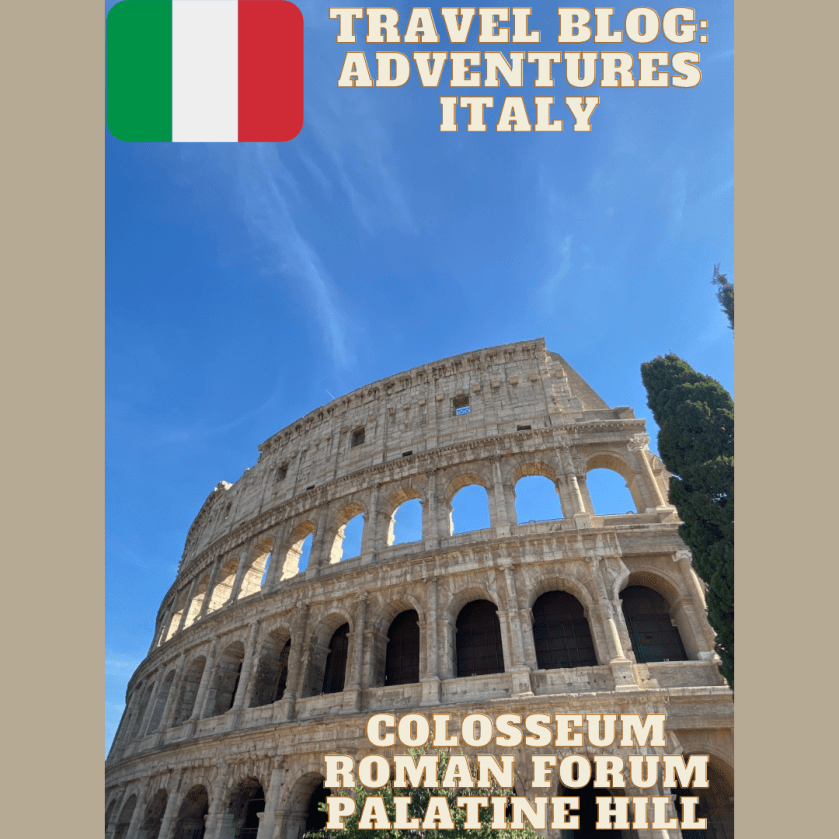
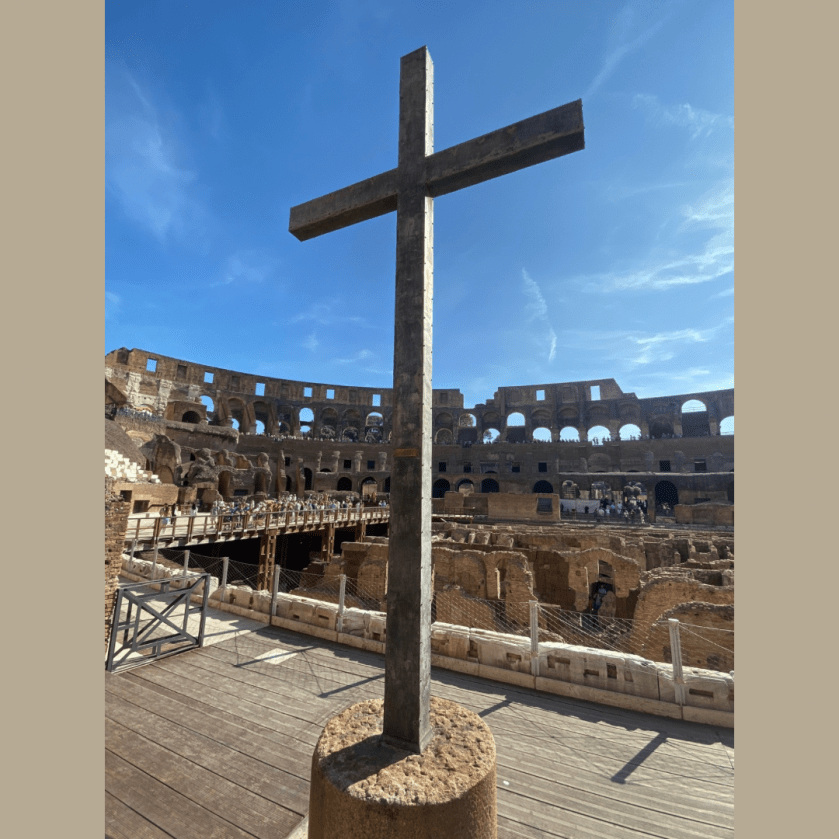

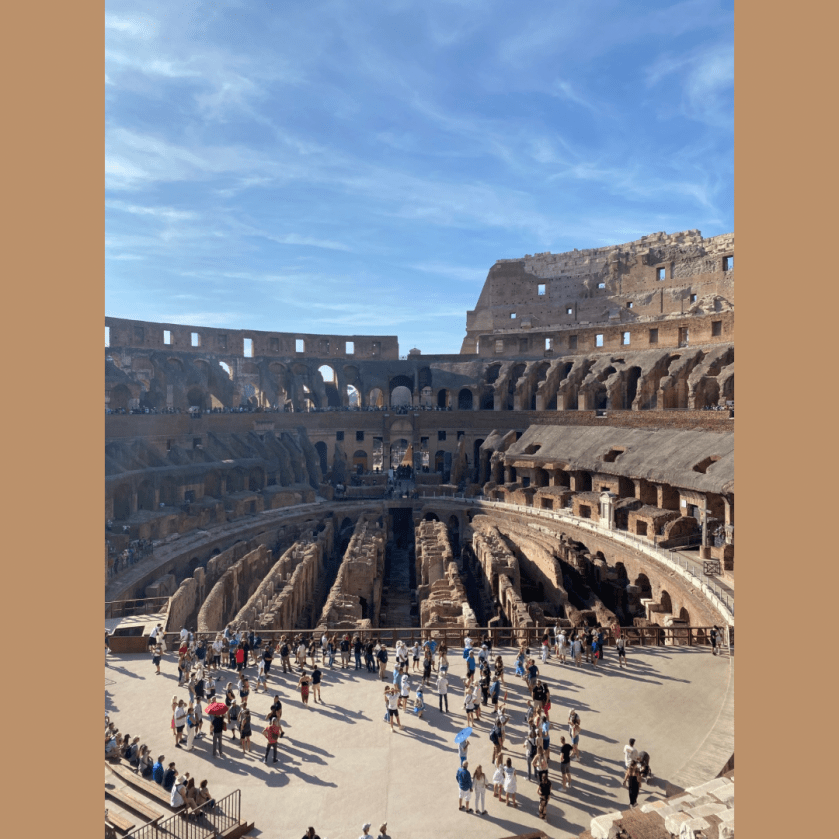
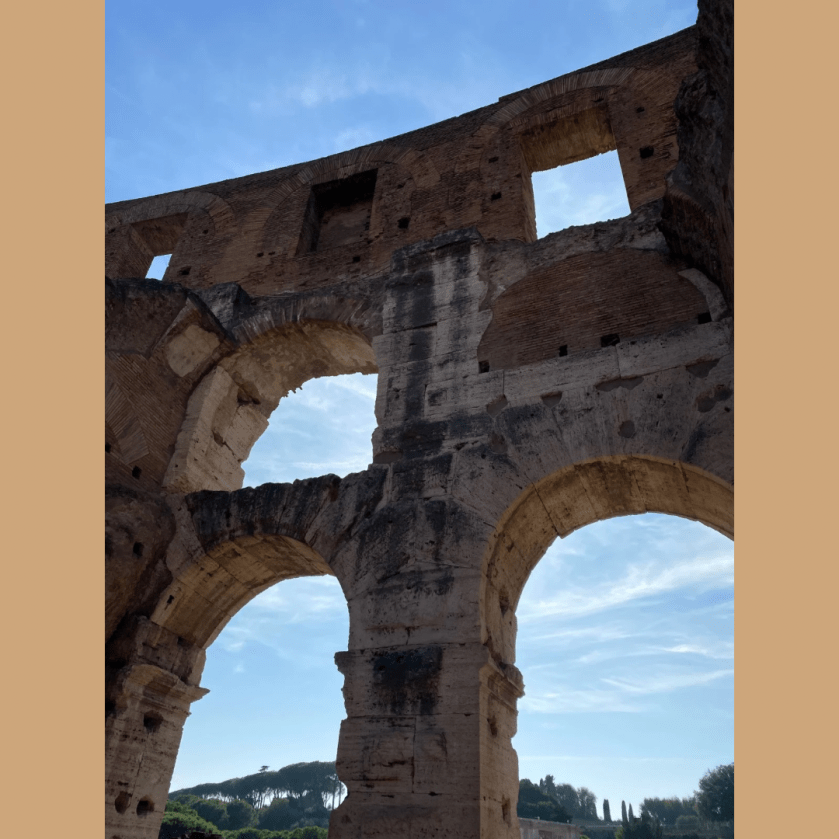




 The Western Voyager