By: Bryan Ricardo Marini Quintana

By: Bryan Ricardo Marini Quintana
By: Bryan Ricardo Marini Quintana
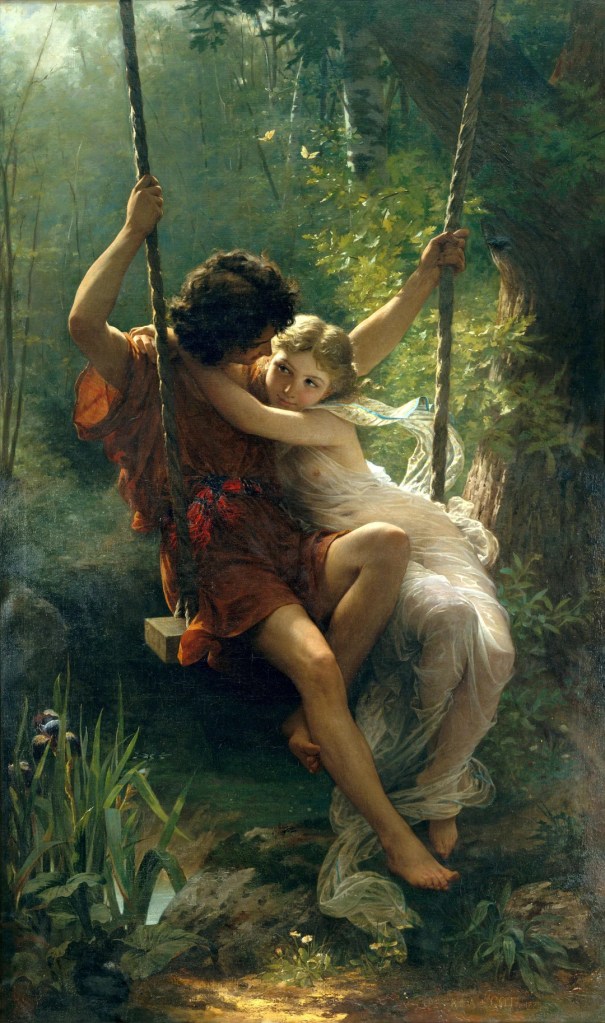
Let’s travel across the creeks of the Milky Way
As you’re stashed between my arms
Filling the dull tones of our frames
With droplets of paint that gleam our spirits away
…
We depart a shadow cast by the mantle of space
Arriving upon a seashore teeming with grainy rye
Where we lay barefoot amidst mounds of fruits
Sinking our toes in the warmth of white shores
…
The silver drapes of the cosmos roll back
Thrusting us into luminescent mists
Where we sail a sapphire breeze aboard our vessel
Traversing the depths of a void brushed by blazing pearls
…
Until we arrive at the brink of realms
Docking after our voyage on rich riverbanks
Where we find respite in evergreen pastures
Brimming with waves of never-ending wheatgrass fields
…
These are flourishing with peach and lime tint palettes
As the golden dandelion wanes and the snowy rose waxes
With the flowering of our cherry blossom and marigold sky
That upon twilight, mature into our delphinium and lilac melody
…
We arrive at an unageing woodland that sprouts with mellow plums
Where you bite a berry as the syrup drips over your lips
Upon tasting the fruit, your cheeks blister with a rose fluorescence
Then you offer me a taste as I lunge for your lips to savor the juice
…
In our kiss, we transcend old woes to jubilate with youthful bliss
As we mix our nectar while resting on a bronze bark of golden leaves
Gazing at the glaring haze that gallops above us in the firmaments
Where you invite me to sway in a dance that weaves our spirits’ strings away
By: Bryan Ricardo Marini Quintana
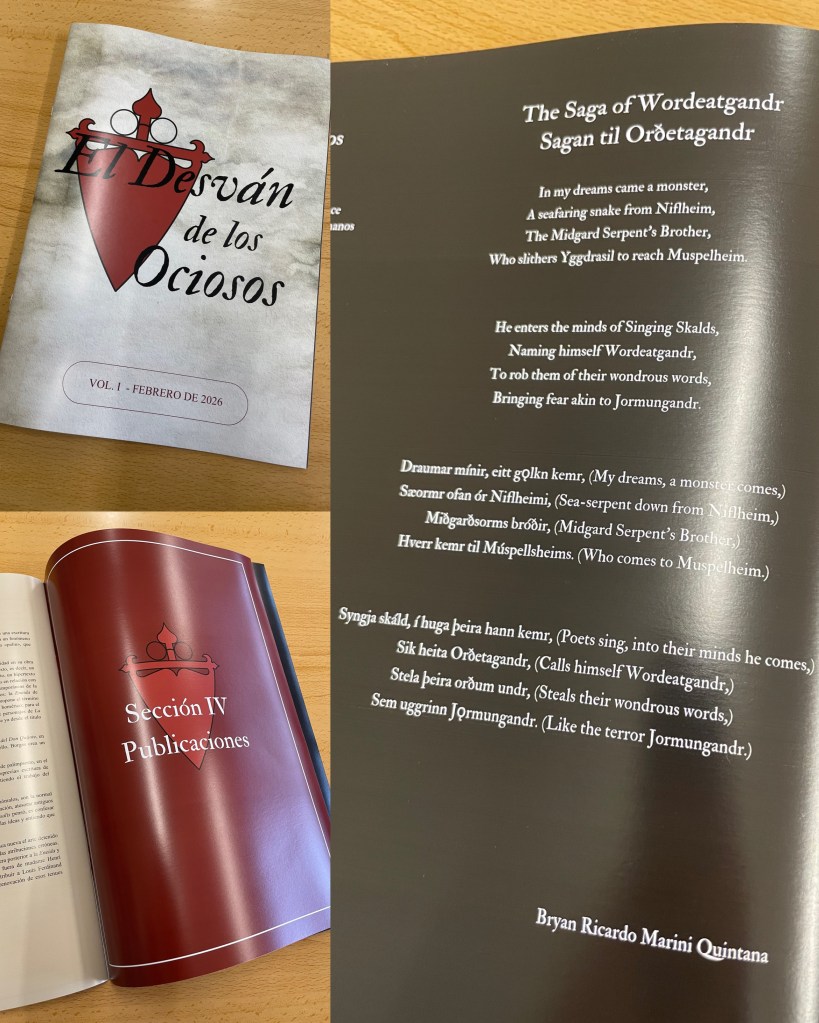
Today, I can finally share my small collaboration through a poem with the New Student Lead Philology Magazine (@eldesvandelosociosos) from the University of Santiago de Compostela!
If you’re on campus, be on the lookout for their first issue!
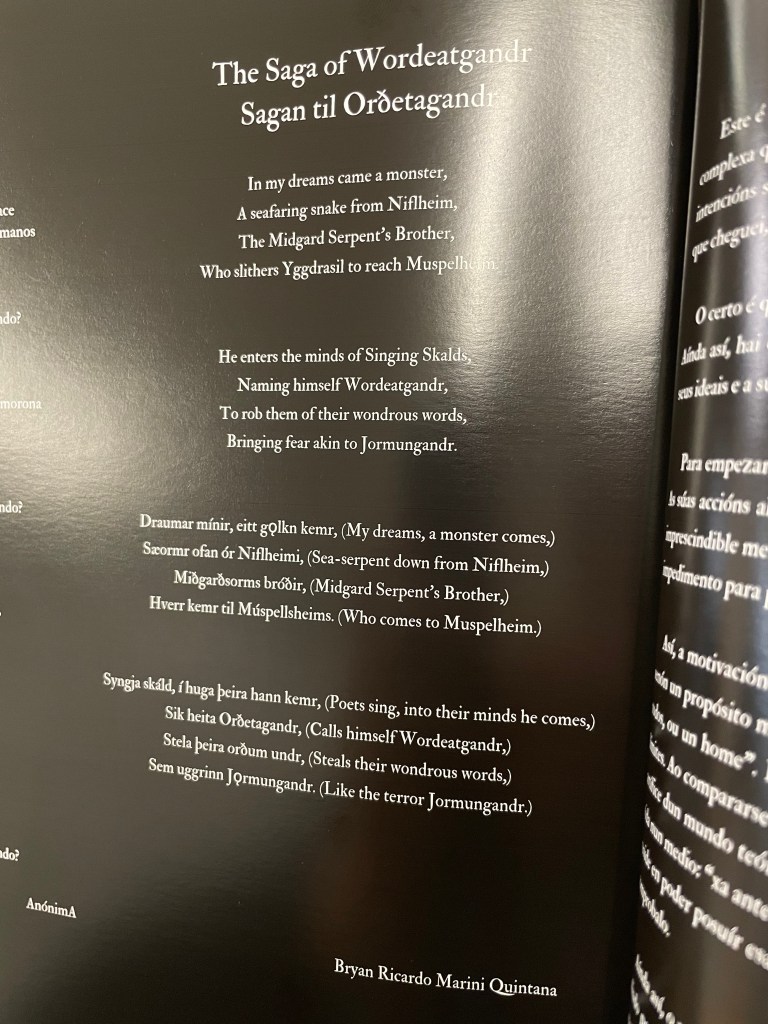
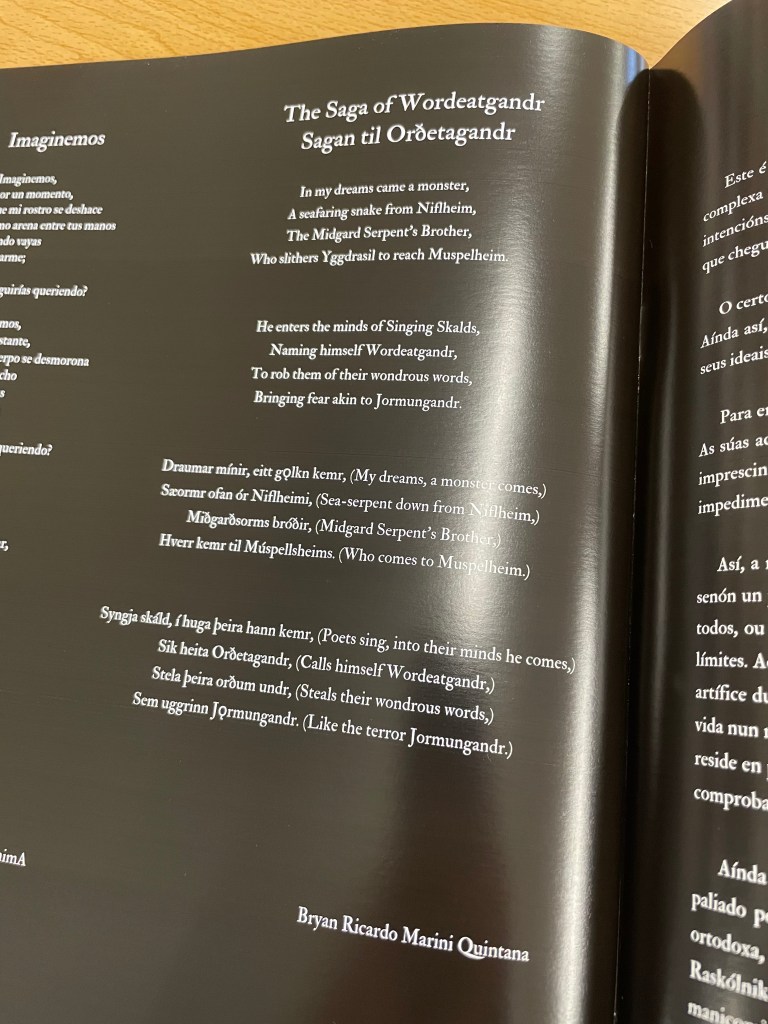
The Saga Of Orðetagandr (Dual-Language Version in English and Old Icelandic)
If you’ve ever suffered from writer’s block or suddenly lost inspiration while composing your story, then perhaps Wordeatgandr slithered into your dreams and devoured your ideas!
Original Manuscript: (Margrétar Saga, AM 431 12mo, 1540-1560)
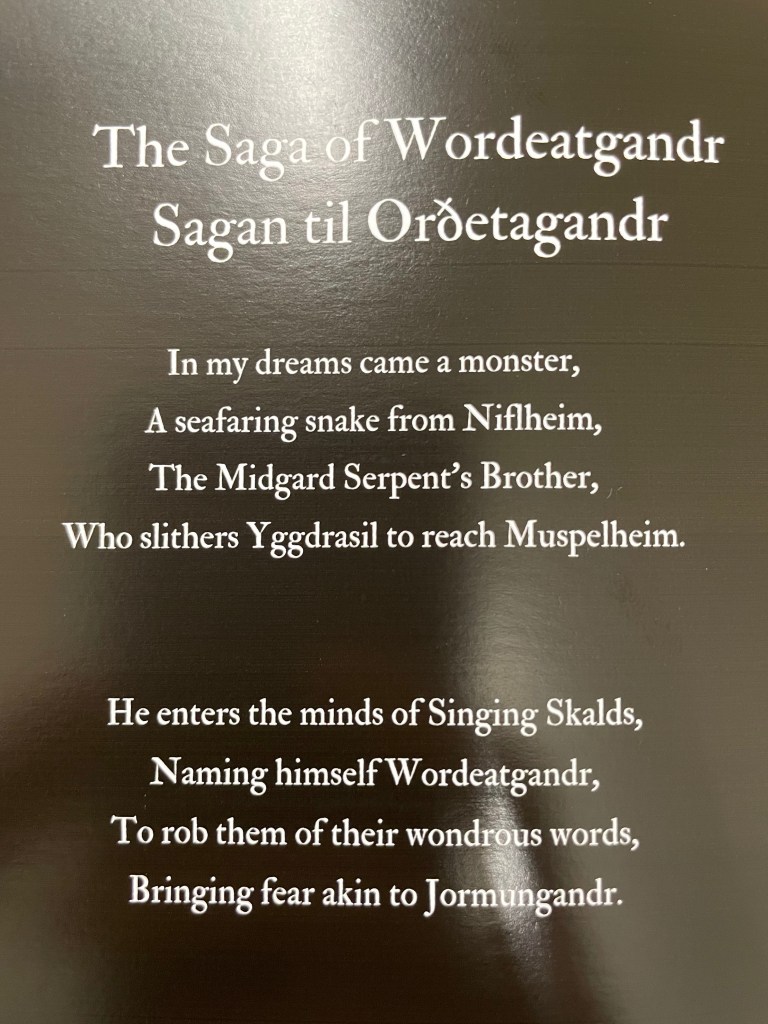
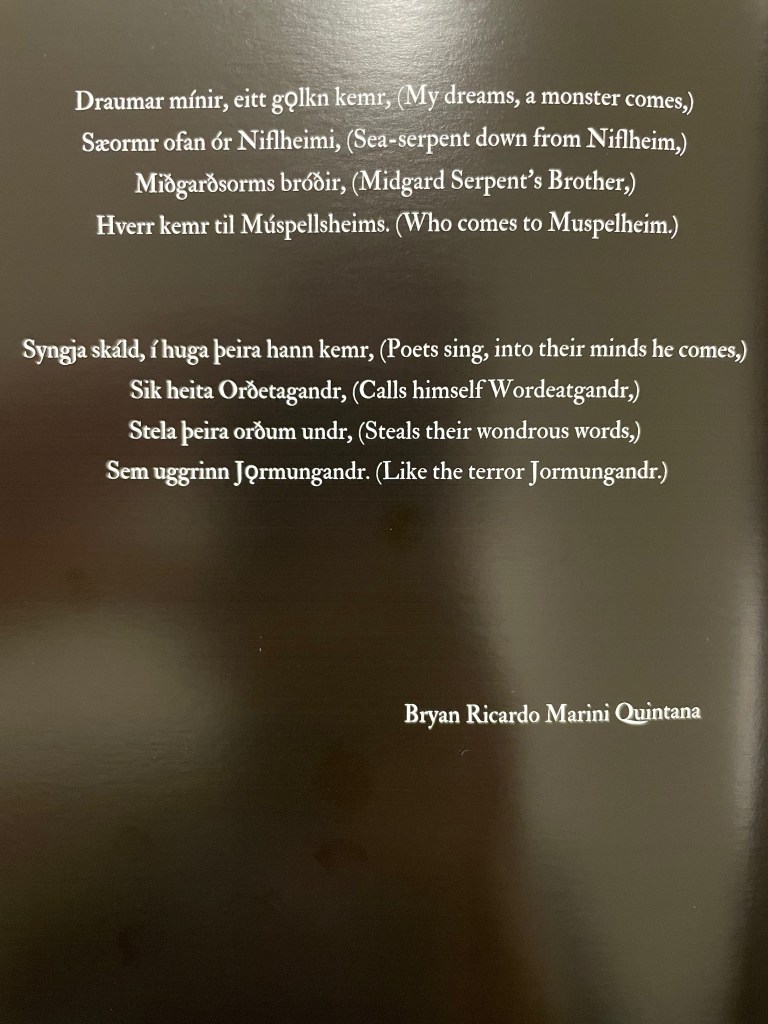
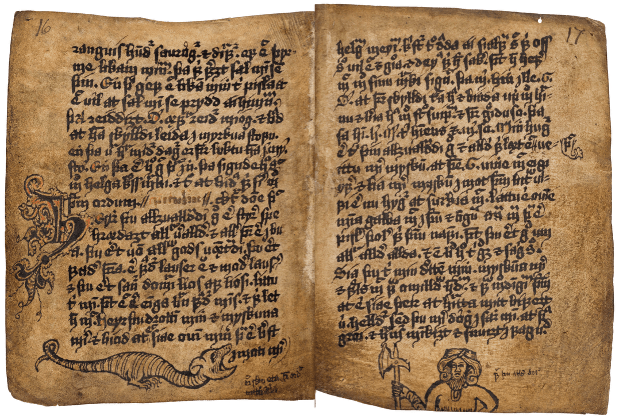
By: Bryan Ricardo Marini Quintana
Drums Drums Drums
Battering on the beat
Boots Boots Boots
Rolling on the route
…
Bats Bats Bats
Hammering down the hall
Skulls Skulls Skulls
Parading down the pitfall
…
Numb Numb Numb
Their minds have gone
Fixed Fixed Fixed
Their bodies have gone
Cold Cold Cold
Their souls have gone
…
A Boom Boom Boom
Echoed in the Heavens
A Clap Clap Clap
Quivered in the Earth
A Thump Thump Thump
Trembled in the Abyss
…
As the masses gathered to defy the Almighty Father
Clamoring in cries at their new master
With a self-proclaimed idol swaying them with fear and desire
Challenging the fallen angel’s proud power
…
Atop the Garden of Eden
Met a serpent and a dove
By the Sapling of Knowledge
Rested Jehovah, awaiting to cast a stone
…
As Lucifer slithered upon the highest of boughs
He took a seat on the left side of The Lord
Consulting for the last time, as Satan asked God:
“What are thou waiting for?” before the breaking of the world
…
Heartbroken, Jehovah answered: “Once, I beheld thee to be mine wickedest creation.
Alas, mankind has surpassed thy dreadful deeds.”
Thence Lucifer scoffed at this audacious proclamation
As Satan was offended that God’s children could contend with his foul feats
…
He went on to boastfully recount his every endeavor:
“I swayed Adam and Eve to take a bite from the fruit in thy tree.
I caused suffering to mankind by banishing them from the Garden of Eden.
I damned thy children with consciousness and nakedness to wither in disgrace.”
…
“I rebelled against thee for mine vain aspirations,
to oppose thine omniscient, omnipotent, and omnipresent order.
I wished to challenge thine indisputable reign over us,
to contest thy wisdom and knowledge as the sole creator.”
…
“For I, Father, coveted nothing else but to see thy seed crumble.
Mine Sin was rebelling against thy plans out of pride.
For I Jehovah, desired not to be lord of anyone.
Mine Sin was craving to see thy designs become undone.”
…
“Through Pride, Greed, Lust, and Envy,
I concocted perverted temptations to mislead thy children.
Through Wrath, Sloth, and Gluttony,
I boiled wicked enticements to dissuade mankind from finding purpose.”
…
Grief-stricken, Jehovah replied: “Thine heart darkened in this garden
when thou first slithered to tempt mine children.
Now upon the Sapling of Knowledge, thou avowed to sinning
by plaguing mankind with thy deceitful tongue that caused ceaseless suffering.”
…
“Thou enticed them to Sin with a false promise,
as Adam and Eve ate from mine Sacred Tree.
Thou influenced them, but there was a choice,
and they chose to disobey mine command.”
…
“For thou, mine friend, are an instrument bound
to test the will of mankind.
For thou, mine friend, are destined for treachery
to sway them with vices that forsake responsibility.”
…
“Thou must realize, mine Son, that their suffering has been self-imposed.
For I gave them life and purpose through me, but they disregarded mine command.
Even though I gifted them free will, Adam and Eve blamed thee when they erred.
Hence, I banished them from Paradise for heeding thy poisoned tongue.”
…
“Through Humility, Gratitude, Chastity, and Temperance
I am the way to cleanse thy soul from impure thoughts.
Through Patience, Charity, and Diligence
I am the way to mend thine heart from malignant actions.”
…
Thus, Jehovah raised his voice and proclaimed: “Behold mine labor Lucifer and despair!
For I’m incapable of recognizing mine own seed that brings forth this decay!
Their minds, bodies, and souls have been molded by a tyrant to be boundless and bare!
He twisted mine children who march blindly in columns and stretch far away!”
…
From the Garden of Eden, both gazed in horror upon the rally that humanity had ordained
Where the crowds worshiped neither Satan nor God but instead idolized a totalitarian state
At the helm, an ideologue didn’t envision chaotically burning the world
Devising stratagems for a new order to remake Earth with Heaven and Hell undone
…
Amidst the feast of crows festering for guidance
There ruled a demagogue on the podium, claiming his throne
Operating his marionettes through their fears and desires
By commanding them to think and act alike with the use of his threads
…
Although he swayed fanatics to keep him company
The tyrant stood alone, bereft of identity
With neither a Family to love
Nor a God to revere
…
With his scepter, the ideologue mustered legions
Incapable of preserving traditions to build a nation
Quelling the hearts of mothers and the wisdom of fathers
To rob the blissfulness of their children
…
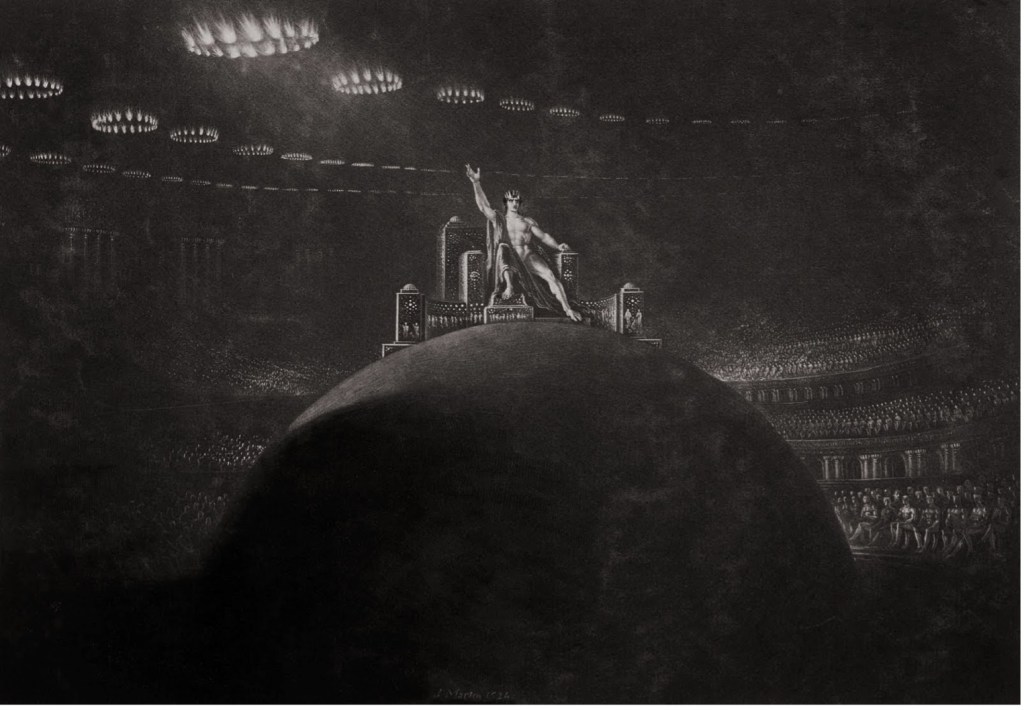
Over in that Colosseum reigned a new demagogue
Who followed in the footsteps of Cleon and Alcibiades
By proclaiming himself Caesar of the People
To rule as Emperor of the rabble-rousers
…
Emulating Caligula, Nero, and Commodus
The tyrant employed their flamboyant theatrics
Flaunting the herd with seditious speeches
To erect an all-swallowing state disdainful of morals and values
…
Echoing Napoleon, Lenin, Stalin, and Hitler
A new ideologue roused his disciples with heated passions
Subduing them under maniacal delusions of grandeur
That have decimated bygone civilizations
…
Atop the Garden of Eden met a serpent and a dove
After Satan confessed, God beheld the demagogue
While Lucifer sneaked in fear that he would be deposed
Jehovah contemplated in sorrow if he should smite the stone
…
Drums Drums Drums
Battered on the beat
Boots Boots Boots
Rolled on the route
…
Bats Bats Bats
Hammered down the hall
Skulls Skulls Skulls
Paraded down the pitfall
By: Bryan Ricardo Marini Quintana

Where does a Sailor land ashore,
When he has lost sight of his course?
Nowhere else but upon those Western Shores!
He hears the Angel’s cry for Abraham to spare his Youngster,
Whose offspring reach the Land of Pharaohs, where a Bush kindles,
And speaks unto Moses to split the Red Sea and free His People!
He traces them with the Ten Commandments for years on end until forty,
When the Lord delivers them to a Holy Land, flowing with milk and honey,
After the Fall of Israel, a Messiah is born in the days of Herod, as God’s progeny!
Across Jerusalem, Jesus gathers twelve to spread his Gospel,
While a Sailor muses to love thy Lord above all and thy brethren as thyself,
Following Christ’s footsteps as he performs miracles and challenges those Pharisees!
Atop Golgotha Hill, He’s Crucified to Resurrect after days on end until three,
From whence his values spread from Constantine to Charlemagne,
Until that Sailor found a meaningful passage with the Cross from the West!
By: Bryan Ricardo Marini Quintana
Where does a Sailor land ashore,
When he has lost sight of his course?
Nowhere else but upon those Western Shores!
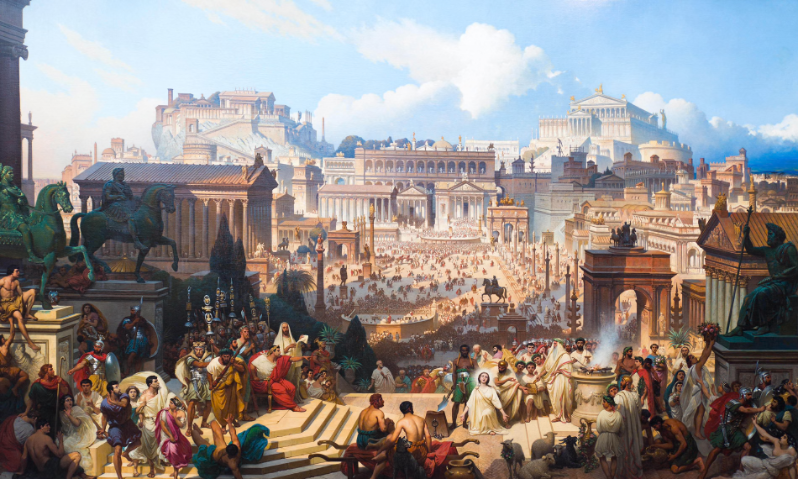
He hears Virgil sing of arms and a man, Aeneas from Troia,
Who sailed to Italia, uniting Latins and Trojans,
As Romulus’ Fratricide founded a City for those Romans!
He evokes how Brutus ousted the Last of the Etruscan Kings,
To erect a Republic in the Forum for the Senate and People of Rome,
Where Patricians and Plebeians pledged allegiance as Equal Citizens!
Atop the Aventine, the Triumvirates devise dire designs,
While he savors Cicero’s endlessly eloquent speeches,
Lecturing about the sanctity of the state and its noble laws!
Upon the Palatine, he sees Caesar’s Crossing that Omens Civil War,
In Actium, Octavian decides the fate of Antony and Cleopatra,
Until the Age of Augustus ushers in the Days of the Caesars and the Pax Romana!
By: Bryan Ricardo Marini Quintana
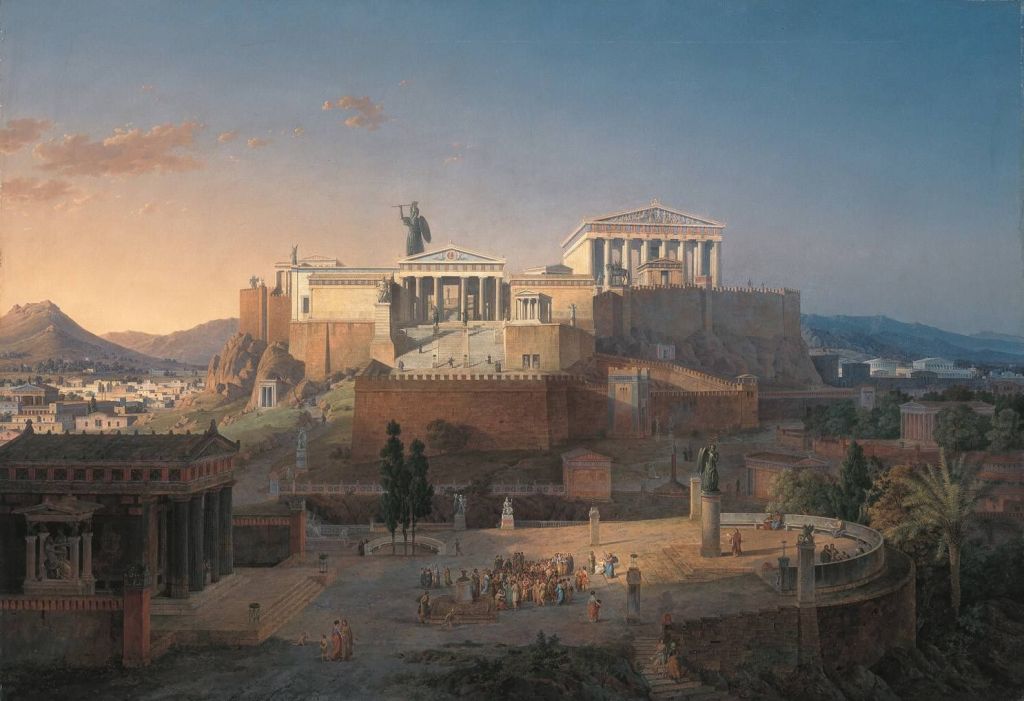
Where does a Sailor land ashore,
When he has lost sight of his course?
Nowhere else but upon those Western Shores!
He hears the dialogues of Socrates, Plato, and Aristotle,
Who argue about a world of earthly and heavenly ideas,
To stumble across that Ancient City of Greek Philosophy!
He trods along a road to find the Odeon of Dionysus in Athens,
Where he sees from the Theatron, Aeschylus, Euripides, and Sophocles,
To witness the grandeur of Greek Drama with Oedipus’ Tragedy!
Atop The Parthenon, he strides beside Doric and Ionic Columns,
Savoring the craftsmanship of Phidias, Ictinus, and Callicrates,
To breathe the clean air of Pericles’ Athenian Democracy!
Upon the hill, he glimpses Troy’s ruins and Agamemnon’s tomb over Hellas,
Far off, where King Leonidas of Sparta led Three Hundred to hold the Hot Gates,
Until Alexander of Makedonia crossed the Hellespont to usher a Golden Age!
By: Bryan Ricardo Marini Quintana
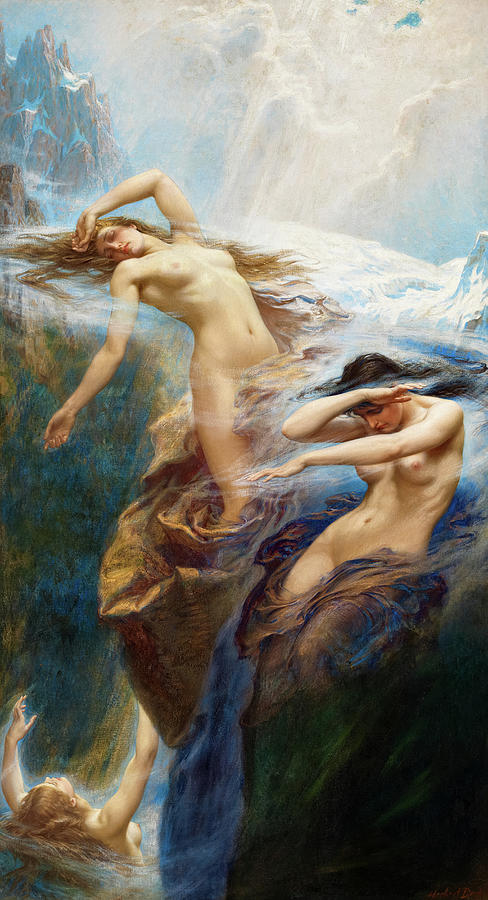
Canto I
Walkyrie Walkyrie Walkyrie
Battle-maiden of Odin
Bound to his whim and will
Chooser of the Slain
…
Walkyrie Walkyrie Walkyrie
Helm-maiden of Wotan
Armed with spear and shield
Winged Cavalrywoman
…
Walkyrie Walkyrie Walkyrie
Shield-maiden of the One-Eyed god
Break away from thy bondage
And scorn his cruel command
…
Walkyrie Walkyrie Walkyrie
Corpse-maiden of the Raven god
Swim against the surging tide
And spread those soaking wings that bound thou to Asgard
…
Canto II
Walkyrie Walkyrie Walkyrie
Descend from the Gallery of Gallantry
Cast aside thy spear and shield
To be endowed with lyre and melody
…
Walkyrie Walkyrie Walkyrie
Renounce the rule of Asgard within the Hall of Valhalla
And reach the Realm of Midgard
To awaken the Children of Ask and Embla
…
Walkyrie Walkyrie Walkyrie
Following in the footsteps of Prometheus
Gift back to Mankind wisdom and knowledge
Akin to stealing the Secret Flame from Zeus
…
Walkyrie Walkyrie Walkyrie
Thou are burdened with a solemn duty
To rekindle the soul of Mankind with the skill to compose
By seizing from the All-Father the Mead of Poetry
…
Canto III
Walkyrie Walkyrie Gondul
I bid thee Awake Awake Awake
Upon the blow of mine horn of doom
Take flight and reclaim thy name
…
Walkyrie Gondul Gondul
Gulp a sip from the Mead of Poetry
Awake Awake Awake Corpse-maiden
And guide gullible Men away from their delusional vanity
…
Gondul Gondul Gondul
I gift thee back righteous Identity
Arise Sister Shield-maiden
And be reborn to reclaim thy Destiny
…
Canto IV
Walkyrie Walkyrie Sigrun
I bid thee Awake Awake Awake
Upon the blow of mine horn of doom
Take flight and reclaim thy name
…
Walkyrie Sigrun Sigrun
Long have thou meandered meaninglessly
Be armed with the grace and glamour of thy song
Galloping amidst the darkening sky to spread the Mead of Poetry
…
Sigrun Sigrun Sigrun
Free the Race of Men from Odin’s Tyranny
They’ve slumbered under his rule by worshipping false idols
Sing unto them a honeyed and thundering lullaby
…
Canto V
Walkyrie Walkyrie Brunhild
I bid thee Awake Awake Awake
Upon the blow of mine horn of doom
Take flight and reclaim thy name
…
Walkyrie Brunhild Brunhild
A Civilization sculpted by Wise and Knowledgeable Men
Is usurped by a false god who builds legions not nations
Becoming corrupted by Imprudent and Ignorant Men
…
Brunhild Brunhild Brunhild
The Children of Adam don’t ponder being
Ever since they lost the skill to compose poetry
The Children of Eve don’t irradiate meaning
…
Canto VI
I bid thee Sing now, Sing, Child of Adam!
For the shadow of doom looms over thou!
Rebel against the spell of the All-Father!
Beckoning forthwith the twilight of the gods!
…
I bid thee Sing now, Sing, Child of Eve!
Forsake thine armaments and bear thine instruments!
By answering the blow from mine horn to compose a melody!
Let the Hall of Valhalla crumble upon the booming beat of the drums!
By: Bryan Ricardo Marini Quintana

Canto I
Where have the Bold Warriors sailed?
Where are their deeds?
Where have the Stout Builders sailed?
Where are their labors?
Where have the Wise Sages sailed?
Where are their stories?
Where has the Race of Men sailed?
Where are their souls?
…
Alas the age of heroes has come to pass
Alas for the wisdom and knowledge of their forefathers
…
They’ve played with power and pleasure
They’ve succumbed to fear and desire
…
Where have the Children of Adam sailed?
Where is their sense of meaning?
Where have the Children of Eve sailed?
Where is their sense of being?
…
Canto II
Above in Asgard, the Aesir gods have seized the Mead of Poetry
Below in Midgard, Mankind cannot compose a melody
…
In disdain, a child tosses the skill to sing from his caring forefather
In mockery, the child erects a monument in reverence to the cruel All-Father
…
Who will quench his search for destiny to find meaning?
None but the Aesir gods will bathe him with a false identity of being
…
Canto III
Among the lost Children of Jehovah, I mourn for Miserable Men
They’ve refused to carry the burden of responsibility
By foolishly attempting to escape destiny
In a struggle of futility to thwart the certainty of mortality
…
In Midgard, Miserable Men renounce pondering life’s streams
Opting to slumber for eternity rather than awake to the horror of consciousness
They’re washed away by the currents into an abyss of meaninglessness
…
Canto IV
Among the lost Children of Adam, I grief for Impartial Men
They’ve disregarded the skill safeguarded in ancient institutions
By judging, sentencing, and burning the civilization of their forefathers
In a circus trial by the mob who slander the ability to differentiate
virtues and vices
…
In Midgard, Impartial Men please the crowd by losing their individuality
Ceding to repeat unquestionably the slogans of a mob mentality
They lose all sense of morality to accommodate everyone in society
…
Canto V
Among the lost Children of Eve, I weep for Tyrannical Men
They’ve twisted individuals into oblivious followers
By claiming to possess every remedy for their troubles
In a world of demagogues, the state decrees their thoughts and actions
…
In Midgard, Tyrannical Men impose their flawed ideology
Devising monstrous stratagems to be worshiped as a deity
They sink civilization with them when their devices endeavor fruitlessly
By: Bryan Ricardo Marini Quintana
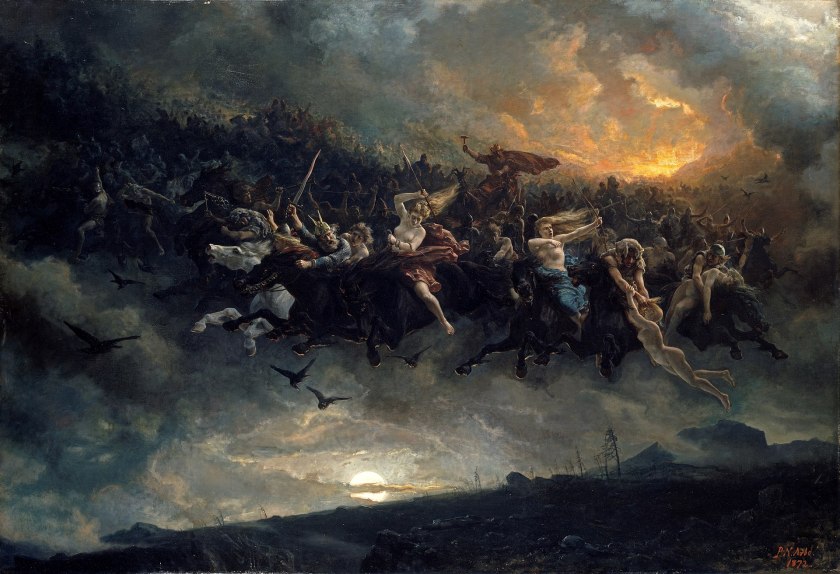
Canto I
One eye in sacrifice for the wisdom of foresight from the Norns
This is the price the Aesir god will pay
One eye in exchange for the skill of magic from the Runes
This is the price the Aesir god will pay
…
Nine days the One-Eyed god hanged
To acquire knowledge of the Realms
Nine nights the One-Eyed god dangled
To acquire knowledge of the Cosmos
…
Scouring relentlessly to know the fate of every object that could challenge him
Searching ceaselessly to know the doom of every insect that could oppose him
…
Canto II
Two items the dwarves crafted for him
A Ring called Draupnir
To bend the minds of Men to his whim
…
Two items the dwarves fashioned for him
A Spear named Gugnir
To succumb the spirits of Men to his will
…
For his son, Thor, they gifted him the Hammer Mjolnir
Fighting off the Frost Giants from Jotunheim
For his guardian, Heimdall, they gifted him the Horn Gjallarhorn
Warning of the Fire Giants from Muspelheim
…
Canto III
In perpetuity, every ninth night, eight rings drip from Draupnir
Bestowing the Race of Men with glimmering golden crowns
To corrupt their souls with delusions of grandeur
Within the Gallery of Gallantry, where the Lord of the Slain resides
…
Until the doom of the gods,
The Discord of the All-Father disturbed
By twisting Just Kings into Cruel Emperors
Until the twilight of the gods,
The Melody of the Valkyries will be quelled
Within the Hall of Valhalla, where the All-Father resides
 The Western Voyager