By: Bryan Ricardo Marini Quintana

In the opening of Gladiator (2000), Maximus Decimus Meridius, Commander of the Armies of the North and General of the Felix Legions, fearlessly leads his Roman Legionaries against the Germanic Tribes. Upon the eve of battle, he inspects their defenses, passing by rows of soldiers who address him with the utmost respect. Their faces have gone pale while they anxiously await for the barbarians lurking in the forest. However, the men’s spirits are stirred when they behold their General riding alongside them. Maximus’ presence on the battlefield eases their tensions before rushing into the fray. Straightaway, he charges at the enemy’s rear and catches them off guard in an ambush, but his horse knocks him down. After trudging through the mud in a scramble to survive, the General emerges victorious alongside his Roman Legionaries, who praise him as one of their own. Although Maximus is overcome with a euphoric triumph, his bliss is brief when he reflects on the struggle’s bloody aftermath. Now, the General longs for the warmth of his wife and son, praying for a safe return home. Above all, he wishes to lead a humble life, fulfilling his duties as a husband and a father while dreading to serve again in an endless war that will claim his life.
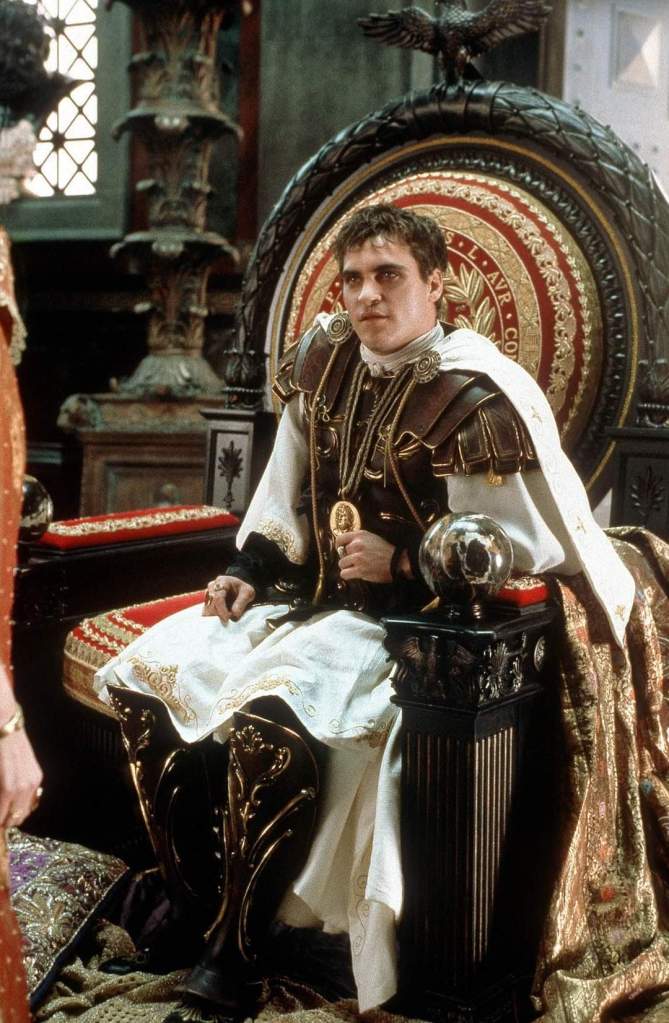
From afar looms Lucius Aelius Aurelius Commodus, the son of Emperor Marcus Aurelius, who covets his father’s power and envies Maximus’ admiration. He arrives on a carriage to the encampment, presuming he’ll be received by clamoring soldiers. But his only exploit has been to cower behind the marble monuments of Rome. When he passes by with his Praetorian Guard, the Roman Legionaries opt to revere their General, who fought alongside them. Immediately, he kisses the Emperor, seeking instead attention from his disillusioned father. However, Marcus Aurelius turns him away in favor of Maximus, finding honor and courage in the son he never had. Consequently, Commodus’ prideful aspirations to become Emperor are threatened when Marcus Aurelius neglects his pleas for paternal validation. Therefore, he entrusts Rome’s fate to a General worthy of fatherly love, as Maximus challenges Commodus’ claim to win over his father’s affection.
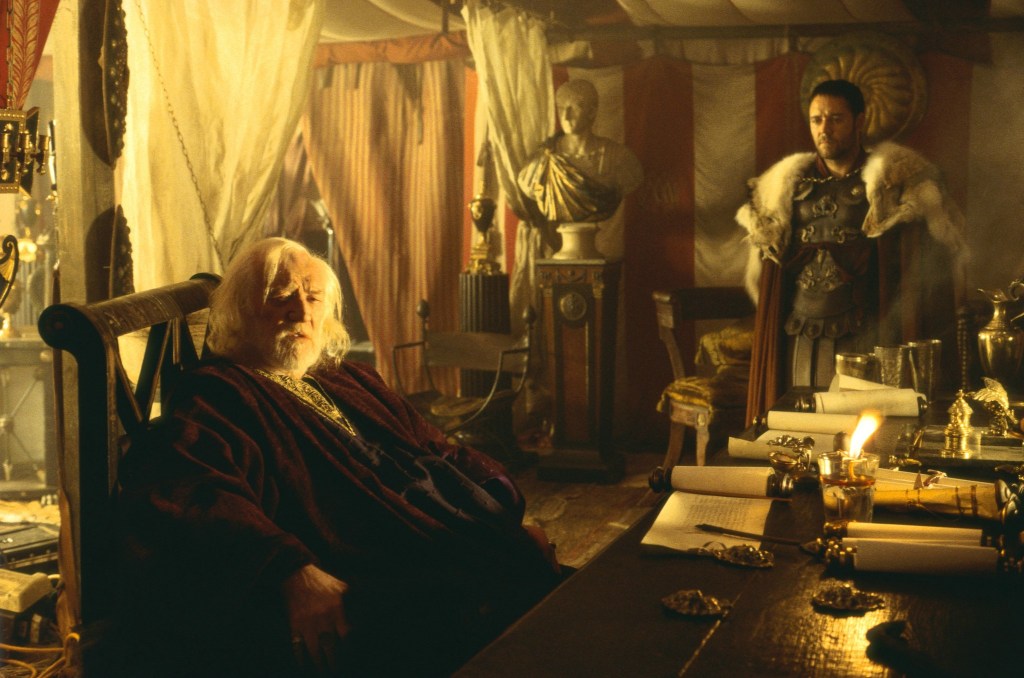
Atop a hill stands Emperor Marcus Aurelius, who melancholically meditates on whether his military campaigns to defend Rome have any moral justification. Once hostilities end, the Emperor forgoes his imperial prestige to approach his General as a caring and proud father. Initially, Marcus Aurelius respectfully greets him by asking: “How can I reward Rome’s greatest general?” (Gladiator 2000) Then, Maximus honestly responds: “Let me go home.” (Gladiator2000) This early exchange promptly presents the fondness both have for one another, displaying how they speak candidly as a father to a son, without any pretense of an Emperor addressing his General.
However, they’re interrupted by Commodus’ arrival, who arrogantly boasts: “Have I missed the battle?” (Gladiator 2000) Instantly, Marcus Aurelius cripples his egotistical bravado by ironically replying: “You have missed the war.” (Gladiator 2000) To add further injury and teach his spoiled boy a lesson, the Emperor instead exalts his noble warrior: “Honor Maximus. He won the battle.” (Gladiator 2000) Commodus is humbled by his father, compelling him to recognize who won the war. Then, Marcus Aurelius detaches himself from his son, considering him an unworthy successor, and turns to Maximus as his worthy progeny, who acknowledges their sacrifices when he poignantly remarks: “So much for the Glory of Rome.” (Gladiator 2000) Thenceforth, Commodus’ loathing festers against him, realizing he possesses none of the stoic attributes of an earnest son that his father requires for an heir.
During the festivities, Marcus Aurelius exits his tent and requests Maximus’ company. Inside, the Emperor beholds a map of the Roman Empire, lamenting the violence he’s inflicted to defend the Senate and the People of Rome. He confides with him about the corruption of Rome’s socio-political structure and the necessity of reinstating the Roman Republic. However, the General refuses to believe that his men perished in vain, furiously expressing how they fought valiantly to protect Rome’s sanctity. Here, Marcus Aurelius tests Maximus by asking him what his heart desires most. Then, he wholeheartedly professes that he misses his family and wishes to return home. At that moment, the Emperor understands that his General doesn’t crave to wield great power but simply wants to retire in peace, living the rest of his days as a faithful husband and dutiful father. This answer reassures Marcus Aurelius of his choice, who assigns Maximus to restore the Senate and give a voice to the People by proclaiming him the Protector of Rome upon his death. Although he is honored by the Emperor’s vote of confidence, he wavers to assume this newfound responsibility that would grant him the authority to end the tyrannical rule of the Roman Empire and rebuild the democratic roots of the Republic. Regardless of the General’s doubts, Marcus Aurelius trusts him to fulfill his duty to Rome and assume his role as Emperor. At the end of their conversation, Marcus Aurelius voices his true feelings of paternal affection to Maximus when he expresses: “Now embrace me as my son.” (Gladiator 2000)
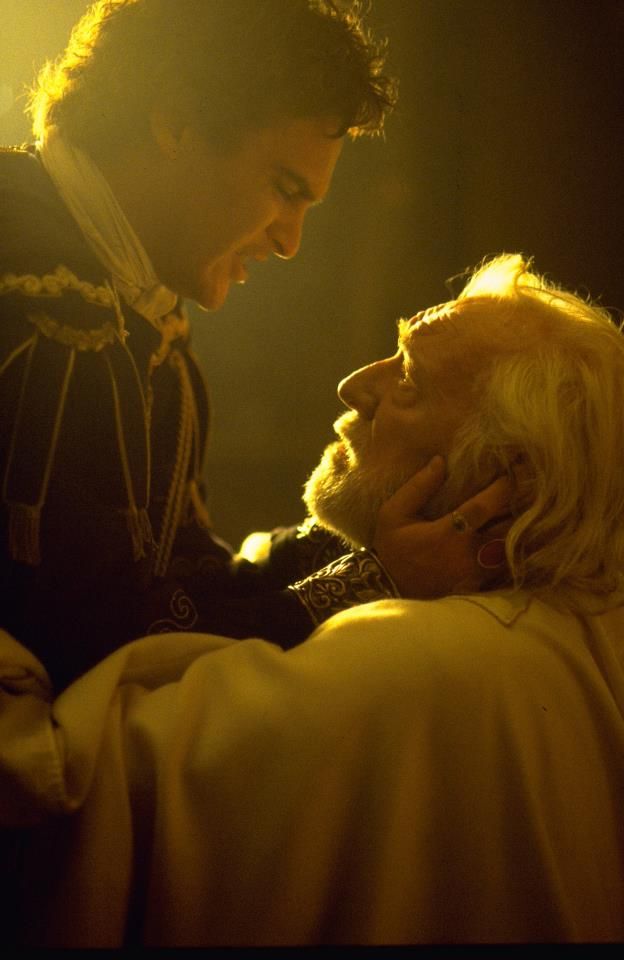
Thereafter, Commodus proudly barges into his father’s tent, searching for Marcus Aurelius’ approval to succeed him as Emperor. Instantly, Marcus Aurelius snatches away his son’s ambitions and affirms that he doesn’t possess the stoic attributes that would make him a just ruler. He mourns his flaws as an absent father who failed to raise him properly for this duty. Upon revealing that Maximus will become Emperor, he tries to console Commodus but is turned away by his son, who grieves: “You wrote to me once, listing the four chief virtues: wisdom, justice, fortitude, and temperance. As I read the list, I knew I had none of them.” (Gladiator 2000) Next, he proclaims his qualities, naming ambition and devotion to the family, especially for his father. Lastly, Commodus conveys his feelings of neglect from Marcus Aurelius when he confronts him: “But none of my virtues were on your list. Even then, it was as if you didn’t want me for your son.” (Gladiator 2000)
The Emperor recognizes that Commodus would be swayed by his impulsive behavior to seize power from the Senate and the People of Rome. After seeing his son suffer because he didn’t live up to his father’s expectations, Marcus Aurelius comforts him by confessing: “Commodus, your fault as a son is my failure as a father.” (Gladiator 2000) Consequently, Commodus’ sorrow heightens into anger against the Emperor, accepting that he isn’t his father’s favorite. In a melancholic moment, Commodus hugs Marcus Aurelius and tightens his grip until he can’t catch a gasp of air, angrily declaring: “I would butcher the whole world if you would only love me.” (Gladiator 2000) Ultimately, he commits patricide to become Emperor and readily summons his General to swear an oath of allegiance, but Maximus refuses only to face imminent execution, leaving Commodus with an undisputed claim to rule over Rome.

 The Western Voyager