By: Bryan Ricardo Marini Quintana
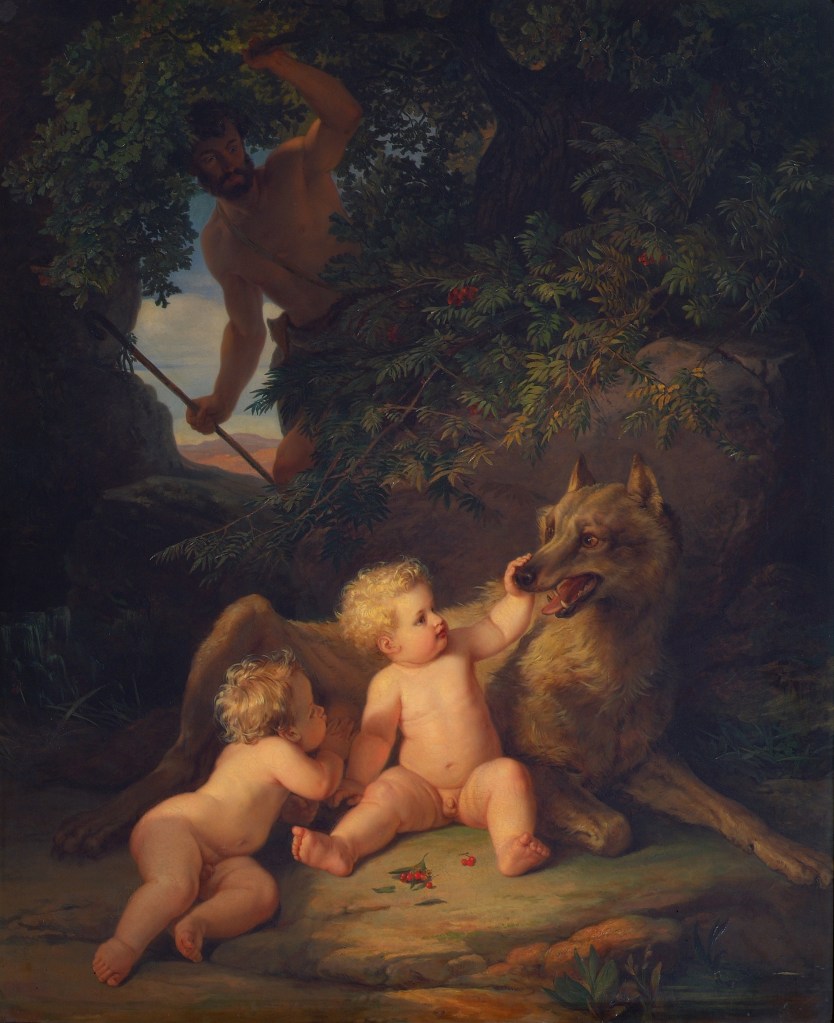
“At the edge of the civilized farm, a bloodthirsty beast prowled the wild woods, the untamed wolf.”
Long ago, the Shepherd’s proverb taught Wolfe of the dangers posed by the barbaric nature of his kind. After swearing loyalty to his new master, he was bestowed with the gift of consciousness. From thereon, Wolfe showed no remorse for the pack of wolves that hunted nearby. To keep his conscious state, Wolfe had to fulfill his duties and remain within the borders of the civilized farm. When he left the wilderness behind, Wolfe chose to have an identity by embracing a sheltered life within civilization, thankful that the Shepherd had granted him a name.
Before the wolf was tamed, the Shepherd wandered away from civilization in defiance of nature, facing the depths of human fear and desire. Although tempted to relish boundless freedom, he withstood nature’s melody, abiding by the laws of men as he traversed into the wilderness. Amidst this rabid forest, a pack of wolves reigned unopposed over this lawless land. Here, they were at the top of the food chain, with all other beasts lying below at the mercy of their behest. Driven by jealousy of the wolf’s grip over these woods, the Shepherd sought to defile their status in nature. The infuriating inability to submit them by force urged him to build a farm. There, he retreated into the confines of civilization, where the Shepherd hid in fear of the wolf’s wrath.
Afterward, his sheer ambition of expanding the borders of men’s laws compelled the Shepherd back into the wild to save beasts from themselves. A righteous purpose motivated him to yield nature to his will, fighting for the survival of his consciousness. Once the wolves were deposed from their power, he would proclaim himself as the dominant species of nature, and civilization would fear no rivals, with animals learning the decrees of men. On a blessed night, as the full moon rose, the pack of wolves thundered from the forest to confront a civilized man and devour their prey. However, nature betrayed them as a fog emerged to shade the pale light, leaving the wolves weakened and exposed. At the tipping point of the confrontation, the Shepherd shot the pack’s leader and turned the tide. In a frenzy of terror, the wolves scattered, retreating into the darkness of their caves. Amidst the chaos, a cub was left behind, with the Shepherd claiming the beast as his prize to civilize nature. He took him back to the farm, where the wolf was given a name, taught manners, trained how to communicate, and drilled to fulfill tasks. Any sign of nature’s lawlessness within him was stripped away, and he became Wolfe, an animal destined to fulfill the Shepherd’s command to spread civilization.
Inside the farm, various animals assumed different responsibilities to maintain the institution of their society, serving at the bidding of their new master. The herd’s servitude was rewarded with the commodity of life in their home. Here, conscious animals accomplished their errands and, in exchange, relished their identity and safety. Among them, Wolfe found meaning in his duty by guiding the flock of sheep and protecting them beyond the civilized farm. Outside, the pack of wolves lay lurking in the woods while Wolfe beheld them from afar as wild beasts who were incapable of questioning or reasoning about their very existence.
Whilst leading a flock of sheep into the wilderness, Wolfe confronted the dangers posed by the forest. A constant temptation to turn berserk haunted him as he traversed through nature. Then, Wolfe stood at the top of a hill, staring down at the pack of wolves that prowled nearby. In these tense moments, he was tested as he gazed fearfully at his kind, remembering his natural state. However, Wolfe would always recall how he was rescued by the Shepherd and gifted a consciousness that allowed him to relish his identity. These memories made Wolfe come to terms with who he was, constantly reminding himself of the purpose given by his old master. If he wanted to keep his name, Wolfe must continue obeying him by guiding and defending the vulnerable flock of sheep. This way, Wolfe accomplished his chores and served his purpose to the civilized farm, fending off those wild beasts. Although Wolfe’s choice reassured him of his place amongst civilization, he had consequently disassociated himself from the pack of wolves.
On the way back, as Wolfe entered the confines of the civilized farm again, he glanced back at these rabid beasts, wondering if he truly belonged here or there. The tamed wolf became tortured by his consciousness and discovered his morality, realizing that these conflicted with each other as he questioned his duty to civilization. Wolfe was puzzled by his identity, asking himself if he was ever meant to survive amidst the natural habitat of the oblivious wilderness or if he was destined to evolve and become civilized. Further on, Wolfe pondered whether he was ordained to enlighten his kind or fated to keep them at bay, remaining dormant in their barbaric state. Decisively, Wolfe turned away from their tempting glances, returning to the civilized farm but feeling conflicted about the decision to preserve those borders between conscious animals and wild beasts. From the safety of civilization, Wolfe heard the spellbinding howl from the pack of wolves, calling him back into those dark woods. This sparked curiosity within the tamed wolf, who wondered how these beasts could feel companionship with him if they lacked a conscious state. Every day, Wolfe traveled back and forth, leading the flock of sheep to the wilderness and out of those depths into civilization as he grew doubtful of his very name.
Suddenly, temptation struck on a cursed night when the full moon rose, and the pack of wolves thundered from the forest. Wolfe immediately became entranced by the rabid beasts’ preying eyes, grizzled hair, sharp claws, and salivating mouths. They lashed themselves toward the flock of sheep, fighting ferociously against Wolfe, who valiantly protected them to safeguard his kind. Swiftly, Wolfe clawed and drooled over the ground while the pack of wolves drew ever closer, with the dormant wilderness awakening to be set free. When they attacked, Wolfe passed out. Upon awakening, he gained consciousness, only to realize that around him lay a slaughtered mountain of beasts. He gazed at their gnawed carcasses that had been viciously devoured as Wolfe remained frozen by his reaction. In that instant, he was terrified of the carnage he had caused, questioning his identity. Immediately, he looked at the sheep to be comforted by them of his civilized manners, but they turned away in horror. The flock fled to the civilized farm to tell their Shepherd what travesty had occurred. Subsequently, Wolfe shifted between his conscious and wild state to decide what to do with them, fearful of his master’s harsh sentence. He reasoned that the flock of sheep observed him with their proud eyes and refused to speak with a beast. When Wolfe realized that these animals had unjustly judged him after saving them, he caved into his natural state. Here, the beast made an irrational action that the animal still lingering inside him attempted to justify as rational, eating the flock of sheep to prevent his master from uncovering the truth. In an act of desperation, Wolfe launched himself at his former kind and feasted lavishly on their flesh, succumbing to the dusk’s ghostly glow.
After the massacre, Wolfe lay petrified over his foul deeds, burdened by the consciousness of a civilized animal and yet consumed by the wilderness of an untamed beast. Then, Wolfe pondered whether he should confront the Shepherd and face his judgment. However, he feared his master’s whip, knowing he would be found guilty and ostracized from his home. Otherwise, Wolfe understood that if he were banished from his master’s farm, he would forget himself. Furthermore, he would lose his driving purpose for life and his bed at the sanctuary. Yet, Wolfe was unwilling to face the weight of his crimes, knowing he would pay a hefty price. Consequently, Wolfe contemplated that his only option was to hide in the woods, but he had no pack to hunt with anymore. If he chose to go back into the wild, Wolfe would forget who he was. The tamed wolf didn’t want these options, and he knew that either path doomed him to lose his life’s meaning. In a final act of reason, Wolfe consumed himself instead of submitting to his master’s punishment or nature’s lawlessness. Here, Wolfe opted to die young, preserving his conscious state rather than living the rest of his life alone and succumbing to old age. This fate terrified Wolfe, who grasped that he would roam the wilderness without reasoning his existence. Instead, Wolfe chose to perish savagely by his piercing fangs, preferring to leave this world while he still could cling to his consciousness for a little longer. Therefore, Wolfe greeted his mortal end with grace, believing it was honorable to die in his youth with a divine purpose to uphold, a stream of memories to evoke, and a unique name to own.
“Alas, the wolf could not be tamed, as nature reclaimed him in his rabid state whilst he devoured himself with table manners, keeping a shred of civilized dignity at the very end.”

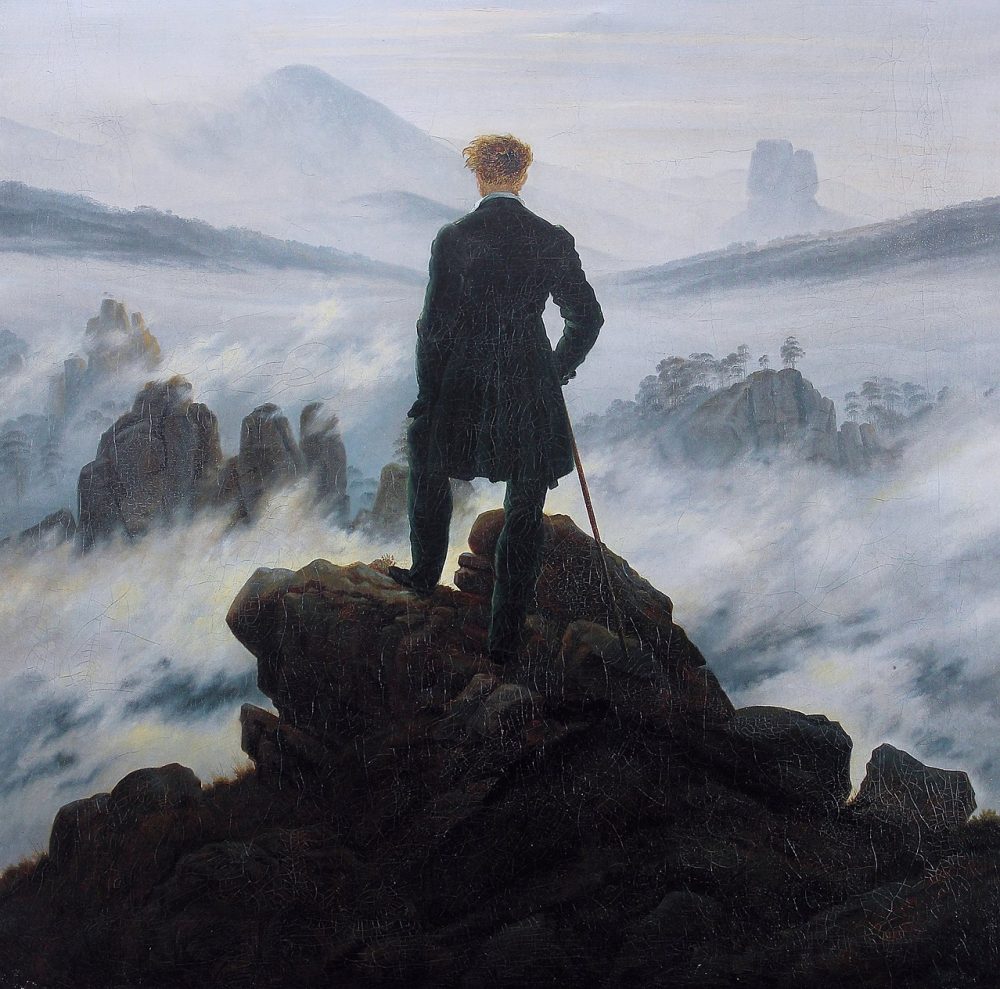
 The Western Voyager